
The Stuff You Own: Understanding Personal Property Coverage in California
It’s no secret that home insurance in California feels like a constant puzzle these days. Between the wildfires, the shifting market, and insurers pulling back, many homeowners just want to know their biggest investment is safe. But here’s the thing: your home isn’t just the structure itself. It’s also everything inside it, the items you’ve collected over a lifetime, the things that make your house a *home*. And that’s where personal property coverage comes in.
This part of your policy protects your belongings from damage or loss due to covered events. Think of it as the shield for everything that would fall out if you turned your house upside down. Your furniture, clothes, electronics, kitchenware, sports equipment — it’s all under this umbrella. For most policies, your personal property coverage is usually a percentage of your dwelling coverage, often somewhere between 50% and 70%. If your house is insured for $500,000, you might have $250,000 to $350,000 for your stuff. That sounds like a lot, but for a whole house full of belongings, it can disappear fast.
Actual Cash Value vs. Replacement Cost: A Big Difference
When it comes to getting paid after a loss, this is probably the most important distinction you’ll encounter. It determines how much money you actually receive for your damaged or stolen items.
Actual Cash Value (ACV) means the insurer pays you what your item was worth *at the time of the loss*, factoring in depreciation. Let’s say you bought a flat-screen TV five years ago for $1,000. If it gets stolen today, an ACV policy might only give you $300 for it because, well, it’s five years old and technology moves fast. You’re left trying to buy a new TV with a fraction of the cost.
Replacement Cost Value (RCV), on the other hand, aims to give you enough money to replace the item with a *new* one of similar kind and quality. Using that same TV example, an RCV policy would give you closer to $1,000 (or whatever a comparable new TV costs now) to go out and buy a replacement. You might get an initial payment for ACV, and then the rest once you submit receipts for your new purchase. It makes a huge difference in how quickly you can rebuild your life after a loss. Honestly, if you can afford it, RCV is almost always the smarter choice. It costs a bit more in premiums, sure, but the peace of mind is worth every penny.
Special Limits: When Your Policy Says “Not So Fast”
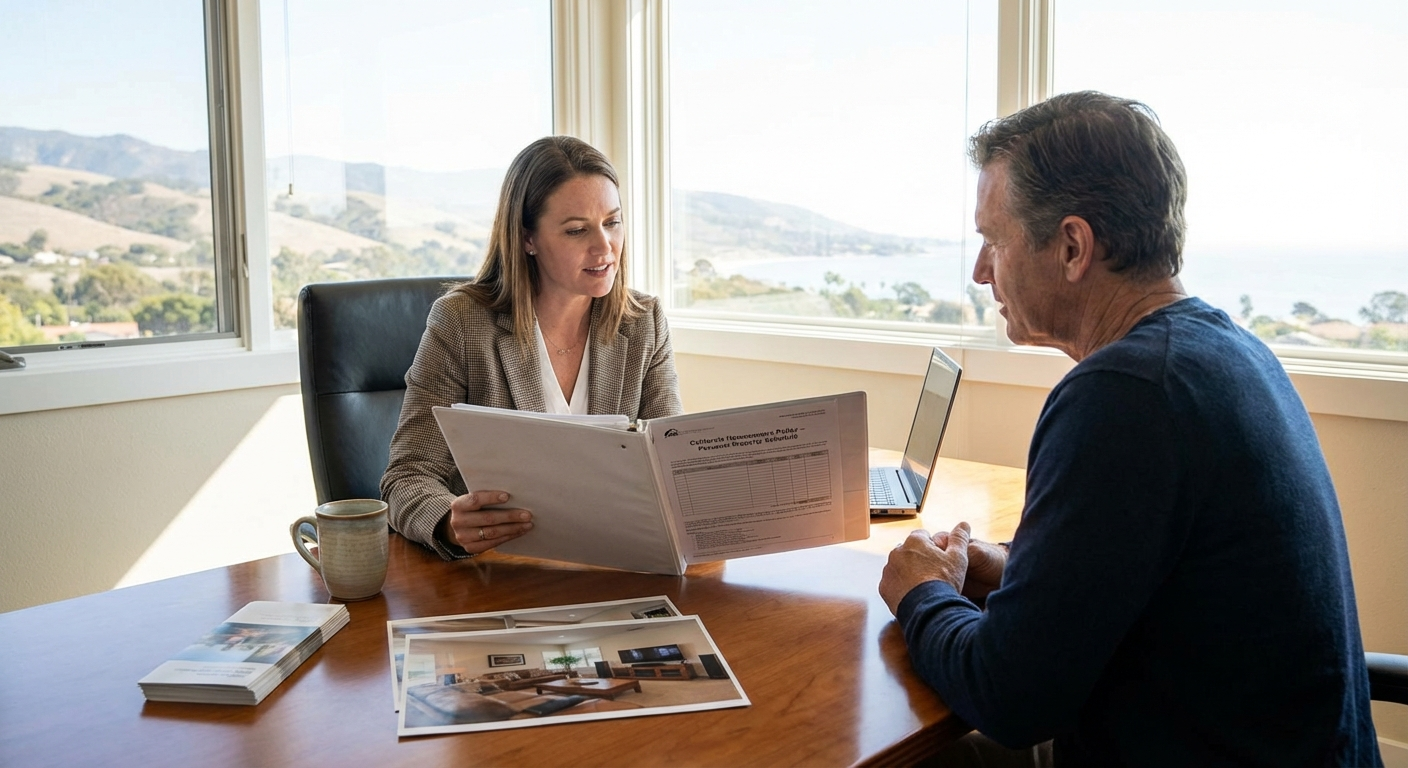
Most personal property coverage isn’t a blank check. Your policy has specific sub-limits for certain categories of items. This can be a real shocker for folks who’ve never read the fine print.
Things like jewelry, watches, furs, precious and semi-precious stones usually have a limit, often around $1,500 to $2,500 *per category*, not per item. Collectibles, firearms, silverware, and even cash can have similarly low limits. Imagine losing a diamond ring worth $10,000 and finding out your policy only pays $2,000. That’s a gut punch.
Here’s where it gets interesting. If you own high-value items in these categories, you’ll want to “schedule” them. This means specifically listing them on your policy with an agreed-upon value, often requiring an appraisal. This usually bypasses those low sub-limits and often provides broader coverage, sometimes even for accidental damage or loss that your standard policy wouldn’t touch. It’s a small extra step that can save you a world of heartache.
What California Risks Does Your Stuff Face?
California presents some unique challenges for homeowners, and your personal property is right there on the front lines.
Fires, sadly, are a constant threat. From the Santa Ana winds whipping through Ventura County to the dry brush in the Inland Empire, a wildfire can devastate a home in minutes. Your personal property coverage is designed to help you replace your belongings if they’re destroyed by fire. But wait — many policies these days have specific wildfire deductibles or even limitations on coverage in high-risk zones. It’s important to know exactly what your policy says about fire.
Theft is another big one. Whether it’s a home invasion in the Valley or a smash-and-grab, losing your belongings to thieves is a terrible feeling. Your policy generally covers theft, both from your home and sometimes even when you’re traveling.
Now, for some really important distinctions: earthquakes and floods. Standard home insurance policies, including personal property coverage, *do not* cover earthquake damage. Not a single thing. If the ground shakes and your antique china collection tumbles, you’re out of luck unless you have a separate earthquake policy. Same goes for floods. That rising water from a storm or a burst levee? Not covered by your standard homeowner’s personal property. You’d need a separate flood insurance policy, typically through the National Flood Insurance Program (NFIP). These are separate policies you have to actively seek out, and many people miss that until it’s too late.
Most modern homeowner policies provide “open perils” coverage for personal property. This means they cover damage from *any* cause unless it’s specifically excluded. Older policies might be “named perils,” meaning they *only* cover what’s listed. Knowing which kind you have is key.
Dealing with High-Value Items: Scheduling and Endorsements
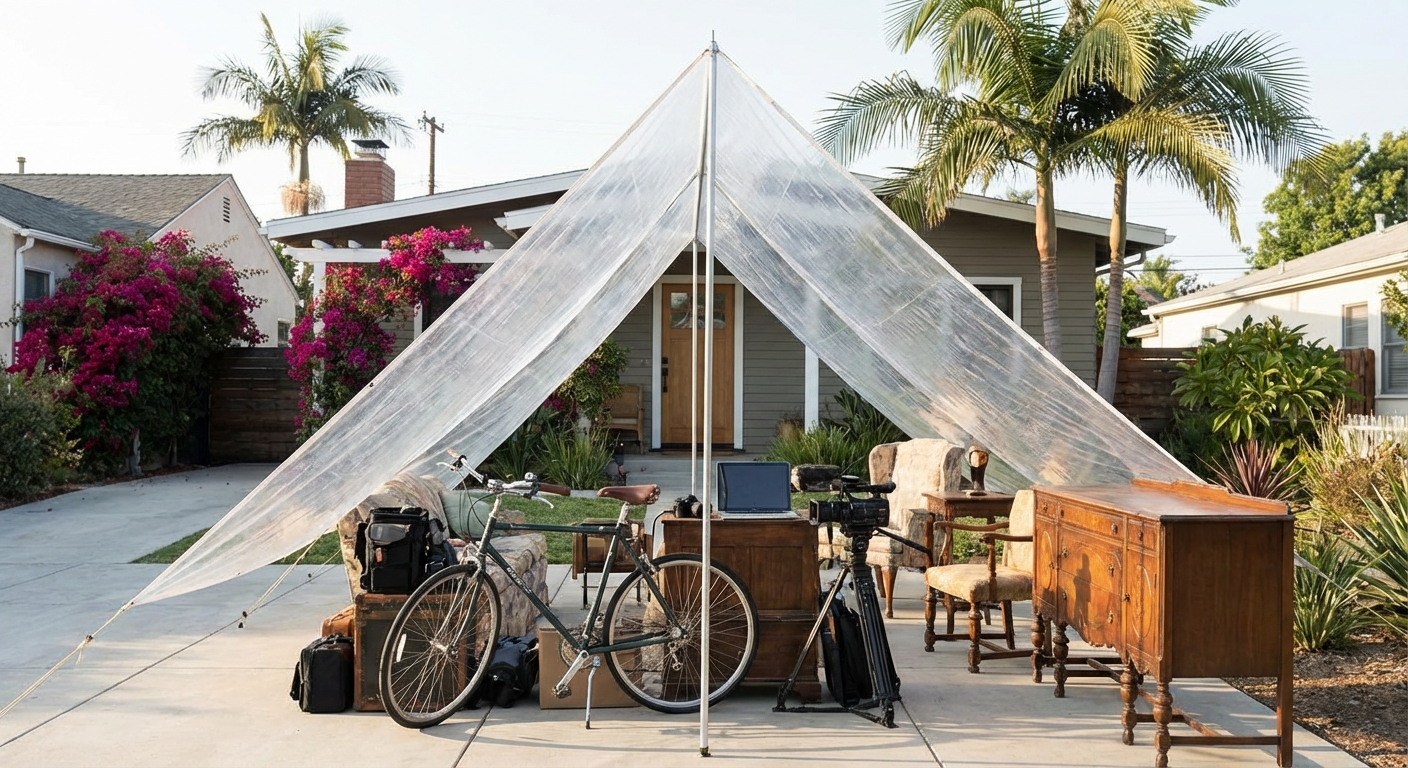
We touched on this already, but it bears repeating because it’s such a common area of confusion and underinsurance. If you have jewelry, fine art, rare coin collections, expensive musical instruments, or other items that significantly exceed those standard policy limits, you absolutely must schedule them.
How do you do it? You’ll typically need a recent appraisal from a certified expert for each item. You provide this to your insurance agent, and they’ll add an “endorsement” to your policy, listing the item and its value. This usually means if that item is lost, stolen, or damaged — even in ways your main policy wouldn’t cover, like accidentally dropping your engagement ring down the drain — it’s covered for its appraised value, often with no deductible applied to that specific item. It’s a small monthly cost for big protection. You’d be surprised how many folks find out too late about this option.
The Dreaded Inventory: Why You Really Need One
Nobody *wants* to spend a Saturday afternoon making a list of everything they own. It feels like homework. It’s tedious. It’s boring. But here’s the honest truth: if you ever suffer a major loss, like a fire or significant theft, a detailed home inventory will be your best friend. Maybe your *only* friend in that moment.
Imagine trying to remember every single item in your kitchen, every piece of clothing in your closet, every book on your shelves, when you’ve just lost your home. It’s impossible. People are often in shock, emotionally drained, and simply can’t recall everything. Without a list, proving what you owned and its approximate value becomes a nightmare.
What should you do? Walk through your house with your smartphone. Video every room, opening drawers and closets. Take photos of specific items. Keep receipts for big purchases in a digital file. Store this inventory somewhere safe and off-site — in the cloud, on an external hard drive stored at a friend’s house, anything. It’s not about perfection, it’s about having *something*. Even a partial list is better than nothing. It’s one of those things you hope you never need, but you’ll be so incredibly grateful if you do.
Adjusting Your Coverage: When Less Isn’t More
Life changes. You get married and merge households. You inherit antique furniture from a relative. You finally buy that top-of-the-line home theater system you’ve always wanted. Your personal property coverage needs to change with your life.
Many people set up their homeowner’s policy when they buy their house and then never look at it again. This is a big mistake. Over time, you accumulate more stuff, and the value of your existing stuff changes (especially with inflation). If you haven’t updated your coverage in five or ten years, you’re probably underinsured.
The temptation to cut coverage to save a few bucks on premiums is strong, especially when California insurance rates are already so high. But reducing your personal property coverage to, say, 30% of your dwelling coverage might save you a little now, only to cost you tens of thousands of dollars later if you have a major loss. It’s a gamble, and one that often doesn’t pay off. A quick chat with your agent every couple of years can help ensure you’re adequately protected.
Finding Help in a Tough Market
The California insurance market is, frankly, a mess right now. Major insurers like State Farm, AAA, and Farmers have pulled back or changed their offerings, especially in high-risk areas. Finding good, affordable coverage for your home and your belongings can feel like searching for a needle in a haystack. The California FAIR Plan can offer a basic fire policy, but its personal property limits often aren’t enough for most families, and it doesn’t cover nearly as much as a standard policy.
This is exactly why working with an experienced, independent insurance broker can make all the difference. Someone who understands the nuances of the California market, who knows which insurers are still writing policies, and who can help you understand the fine print of your personal property coverage.
Karl Susman of Los Angeles Home Insurance Quotes has been helping Californians navigate this complex landscape for years. He understands the worries homeowners face — the fear of losing everything, the confusion over policy details, the frustration of rising costs. He and his team are dedicated to finding solutions, even when it feels like there aren’t any.
If you’re feeling overwhelmed, or just want a clear explanation of your options, it costs nothing to talk. Karl Susman, CA License #OB75129, is ready to help you understand your personal property coverage and get the protection you need. You can reach his agency at (877) 411-5200 or start the conversation online. Don’t leave your cherished belongings to chance.
Don’t Guess. Get Answers.
Your personal property isn’t just “stuff.” It’s your memories, your comfort, your daily life. Making sure it’s properly insured is a critical part of protecting your home and your future. Don’t assume everything is covered or that your current policy is sufficient. Ask questions. Understand the terms.
If you’re in California and want to talk through your options for personal property coverage, especially given the current market challenges, take a moment to explore what’s available. You can get started with a personalized quote today: Get Your California Home Insurance Quote Here.
Frequently Asked Questions About Personal Property Coverage
- Does my personal property coverage apply if I’m on vacation?
Often, yes, but with limitations. Most policies offer some coverage for your personal belongings even when they’re temporarily away from your home, like if your luggage is stolen from a hotel room. However, there are usually limits on the amount of coverage provided while off-premises. It’s smart to check your specific policy. - What about my home office equipment? Is that covered?
For many people working from home, this is a big question. Your personal property coverage usually includes your home office equipment like computers, printers, and furniture. However, if you run a business *out of your home*, your standard homeowner’s policy might have very limited or no coverage for business-related property. You might need a specific home business endorsement or a separate business policy. - Is my car covered by personal property?
No. Your car, truck, motorcycle, or any other motor vehicle is not covered under your home insurance personal property section. Vehicles are covered by a separate auto insurance policy. - What happens if I have a roommate? Is their stuff covered too?
Generally, your personal property coverage only extends to you and members of your immediate family who live with you. A roommate’s belongings would not typically be covered under your policy. They would need their own renter’s insurance policy to protect their possessions.
This article is for informational purposes only and does not constitute financial advice.
Ready for Your Free Quote?
No obligation. Takes 2 minutes. Speak with Karl Susman and the team at Los Angeles Home Insurance Quotes.