Here’s what you’ll learn in this guide:
- The real difference between a “vacant” and “unoccupied” home.
- Why California insurers care so much about empty houses.
- The nasty surprises a vacancy clause can bring if you’re not careful.
- Practical steps to protect your property and your policy.
- How to find the right insurance when your home is sitting empty.
Understanding Vacancy Clauses in California Home Insurance
Imagine this: You’ve just moved out of your old house in the Inland Empire, ready for a new chapter. The home sits empty, waiting for a buyer. A few weeks later, a pipe bursts in the kitchen, flooding the downstairs. You call your insurance company, expecting them to cover the damage. But then, they mention a “vacancy clause.” Suddenly, that pipe burst might not be covered at all. In California, this isn’t some rare, obscure problem. It’s a very real, very expensive pitfall many homeowners stumble into.
What exactly is a vacancy clause? Simply put, it’s a part of your home insurance policy that says if your house is empty for a certain amount of time – often 30 or 60 days, but it varies – certain coverages, or even the entire policy, might become void. Insurers write these clauses because empty homes are riskier. Way riskier. Think about it: no one’s there to notice a small leak turn into a major flood, or to scare off a burglar, or to catch a tiny electrical fire before it becomes a blaze. Especially in a state like California, where wildfires are a constant threat in places like Ventura County or the Santa Clarita Valley, and water damage claims are common, an empty home is a flashing red light for insurance companies.
Here’s where it gets interesting. Most people confuse “vacant” with “unoccupied.” Big difference. An unoccupied home still has furniture, utilities are on, and the homeowner fully intends to return. Maybe you’re on an extended vacation, or you’re a snowbird heading to Palm Springs for the winter. Your stuff is there, and you’ll be back. A vacant home, though? That’s truly empty. No furniture, no one sleeping there, no active intention of returning soon. It’s often for sale, or inherited, or undergoing major renovations. Insurers care deeply about this distinction. If your policy says “vacant,” but your home is merely “unoccupied,” you might still be okay. But if it’s truly vacant, that’s when the trouble starts.
Step 1: Knowing Your Policy’s Definition of “Vacant”
The first rule of vacancy clauses is this: don’t guess. Don’t assume. Every insurance policy is a little different, and what one company calls “vacant” might not be what another does. It’s all in the fine print. Honestly, most homeowners never actually read these sections until it’s too late.
Many standard policies will define “vacant” as a home that’s been without occupants for 30, 60, or 90 consecutive days. Some policies even specify what “occupants” means – someone living there, sleeping there, having their belongings there. Others might look at whether utilities are active, or if there’s furniture inside. For example, if you’re selling your house in Glendale and move everything out, leaving it completely empty for 45 days, and your policy has a 30-day vacancy clause, you’re already in a tricky spot. But if you left a few pieces of furniture and had a friend checking on it daily, some insurers might view that differently.
This isn’t just about the number of days. It’s about intent and presence. A home that’s being actively shown by a realtor and has utilities connected might be viewed differently than a boarded-up property in an abandoned state. The only way to truly know is to pull out your policy – yes, the big stack of papers – and find the exact language. Or, better yet, talk to your insurance agent. They’re the ones who can translate the legalese for you.

Step 2: The Risks of a Vacant Home in California
Why do insurers get so antsy about empty houses? It’s all about risk. California, with its unique blend of environmental hazards and urban challenges, magnifies these risks considerably.
- Theft and Vandalism: An empty house is a target. Thieves know no one’s home. They’ll strip copper piping, steal appliances, and cause thousands in damage. This is especially true in areas with higher crime rates, but it can happen anywhere, from Orange County suburbs to the quiet streets of Sacramento.
- Water Damage: This is a huge one. A tiny leak under a sink in an occupied home gets noticed quickly. In a vacant home, that leak can run for weeks, causing extensive damage to floors, walls, and foundations, leading to mold and structural problems. Think about the heavy rains we get in Northern California sometimes – a small roof leak could devastate an empty house.
- Fire Risk: While no one’s home to accidentally start a fire, an empty house is still at risk. Electrical issues, faulty appliances left plugged in, or even arson. And in California’s wildfire zones – like the hills around Malibu or parts of the Sierra Nevada foothills – an empty house is just as vulnerable as an occupied one, but with no one there to potentially mitigate small issues or follow evacuation orders.
- Liability Issues: What if someone breaks into your vacant property and gets hurt? Or a vagrant takes shelter and starts a fire? You could still be held liable. An empty home doesn’t mean an empty responsibility.
These aren’t just theoretical problems. Insurers have paid out millions for these exact scenarios across the state. They see the data, and it tells them empty homes are money pits waiting to happen.
Step 3: What Happens When a Vacancy Clause Kicks In
This is where it gets real. If your home is deemed “vacant” according to your policy’s terms, and something happens, the consequences can be devastating.
The most common outcome? Claim denial. Your insurer might flat-out refuse to pay for the damage. That burst pipe? On you. The stolen appliances? Your loss. The fire that ravaged the kitchen? You’re footing the bill for a total rebuild. This isn’t just a hypothetical; it happens to California homeowners all the time.
Sometimes, it’s not a full denial, but a reduction in coverage. Your policy might state that while the home is vacant, certain perils – like theft, vandalism, or water damage – are specifically excluded. So, if a fire caused by a natural disaster still gets covered, a fire caused by an intruder might not. It’s a frustrating, confusing mess to sort out, especially when you’re already dealing with property damage.
In the worst cases, your policy could be canceled entirely. The insurer might decide the risk is too high, or that you violated a fundamental term of the contract, and drop your coverage. Finding new insurance for a home that’s already vacant, or has a history of claims while vacant, is incredibly difficult in California’s already challenging insurance market. Think about trying to get a new policy for a vacant home in a brush fire zone like the Oakland Hills after State Farm has pulled back from writing new policies in the state.
Fighting a denied claim is a headache you don’t want. It means lawyers, adjusters, and a lot of stress. It’s far better to prevent the problem in the first place.
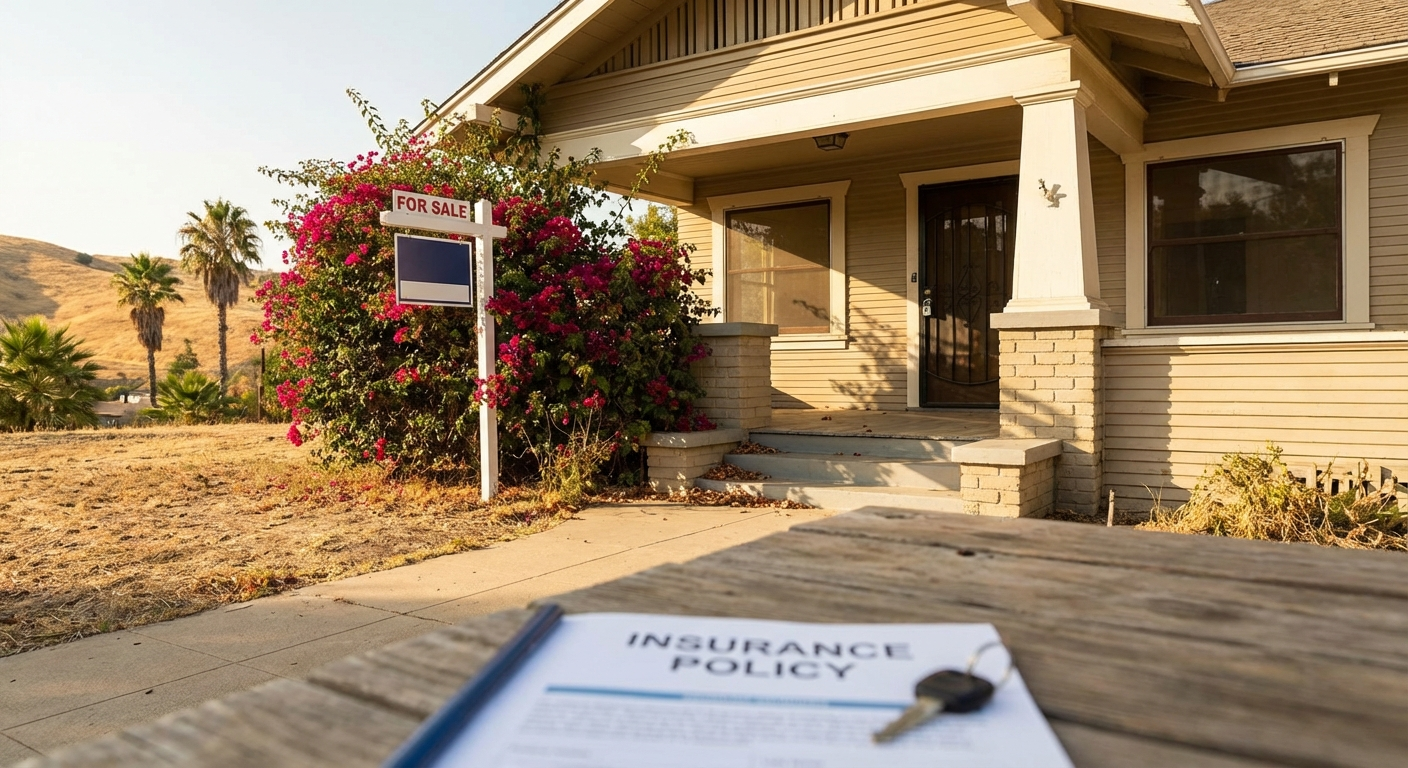
Step 4: Common Scenarios Where Vacancy Becomes an Issue
Vacancy isn’t just for abandoned properties. It can sneak up on everyday homeowners in surprising ways.
- Selling a Home: You’ve bought your dream home in San Diego, moved all your belongings, and put your old house in Chula Vista on the market. It sits empty for two months while you wait for the right buyer. If your policy has a 30-day vacancy clause, you’re exposed after the first month.
- Inherited Property: A loved one passes away, leaving you their home. You live in Sacramento, and the inherited house is in Los Angeles. It takes time to sort through belongings, decide whether to sell or rent, and clean up. That house could be vacant for months before you even realize it.
- Extensive Renovations: You’re doing a major gut renovation on your fixer-upper in Echo Park. You’ve moved out for six months while the work is done. Is it vacant? Probably. A home under construction often needs a special “builder’s risk” policy, not standard homeowner’s insurance.
- Snowbirds and Extended Travel: This is a common misunderstanding. Many Californians head out of state or to their second home for months. They think, “My stuff is still there; it’s just unoccupied.” But if no one is actually *living* there for an extended period, some policies might still consider it vacant, especially if they have stricter definitions or longer vacancy periods.
- Relocation for Work: A new job takes you from San Francisco to Texas. You pack up, move, and plan to sell your Bay Area home. The time it takes to list, show, and close on the sale could easily push you past your policy’s vacancy limit.
These situations are normal. But they require careful thought about your insurance.
Step 5: Strategies to Protect Your Home (and Policy) From Vacancy Issues
Don’t despair. There are ways to keep your home protected, even when it’s empty. The key is being proactive.
Option A: Maintain Occupancy. This is the simplest solution. Can a family member stay there? A trusted friend? What about a house sitter service? Even a short-term renter, if allowed by your HOA and local ordinances, might keep the home technically “occupied.” Just make sure someone is truly living there, not just checking the mail.
Option B: Vacant Home Insurance. Yes, it’s a thing. It’s specifically designed for properties that will be vacant for an extended period. It’s usually more expensive than standard home insurance – sometimes significantly so – and might offer less coverage. But it’s better than no coverage at all. Getting this type of policy can be challenging in California right now, given the overall market instability. Some insurers, like State Farm or Farmers, have tightened their belts, making specialized policies harder to find.
Option C: Policy Endorsements. Sometimes, you can add a “vacancy endorsement” or “unoccupancy endorsement” to your existing homeowner’s policy. This is an amendment that extends the period your home can be empty before the vacancy clause kicks in, or it might add back some of the coverages that would otherwise be excluded. It’s often cheaper than a separate vacant home policy, but your current insurer has to be willing to offer it. Which brings up something most people miss: you have to ask for it.
Option D: Regular Property Checks. While having someone check on the property daily or weekly might not always satisfy the “occupancy” requirement, it’s still a smart move. Someone visiting frequently can catch small problems before they become big ones, deter vandals, and show the insurer you’re taking reasonable steps to protect the property. Keep a log of these visits.
Option E: Communicate With Your Agent. This is arguably the most important step. Don’t hide the fact that your home will be empty. Tell your insurance agent, like Karl Susman at Los Angeles Home Insurance Quotes, exactly what’s going on. They can review your current policy, explain your options, and help you find the right solution. An honest conversation upfront can save you untold grief and expense later.
Step 6: Finding the Right Coverage in a Tough Market
California’s insurance market is, to put it mildly, complicated right now. Premiums jumped 40% between 2022 and 2024 for many homeowners. Insurers are pulling back from writing new policies in wildfire-prone areas, and some, like State Farm and Farmers, have announced significant changes to their offerings across the state. The FAIR Plan, California’s insurer of last resort, is seeing a surge in applications, but it offers limited coverage and doesn’t always cover vacancy risks comprehensively.
Finding specialized coverage for a vacant home in this environment requires expertise. It’s not a DIY project. This is where an experienced, local agent truly shines. They understand the nuances of Prop 103, the specific challenges of insuring homes in the Valley or along the coast, and which companies are still writing what kinds of policies.
Don’t wait until your house is already empty to start looking. Plan ahead. If you know your home will be vacant, even for a few weeks beyond your policy’s limit, reach out to an expert. They can help you explore options like vacant dwelling policies, endorsements, or even temporary solutions to maintain occupancy.
Need help figuring out your options for a vacant California home? Get a quote today and talk to a pro.
Frequently Asked Questions About Vacancy Clauses
Is “unoccupied” the same as “vacant” for insurance purposes?
No, not usually. An “unoccupied” home means no one is currently living there, but your furniture and belongings are still inside, and you intend to return. A “vacant” home is truly empty of contents and people, with no immediate intent to return. Insurers treat vacant homes as much higher risk.
How long can my home be empty before it’s considered “vacant”?
It depends entirely on your specific policy. Most standard California home insurance policies will define vacancy as 30, 60, or 90 consecutive days without an occupant. You must check your policy documents or ask your agent for the exact timeframe.
Will my home insurance company tell me if I’m violating a vacancy clause?
Not proactively. It’s your responsibility as the homeowner to understand your policy’s terms and inform your insurer if your home will be vacant. They won’t send you a warning letter. The issue usually only comes up when you file a claim.
Can I get insurance for a home that’s already vacant?
Yes, you can, but it’s more challenging and usually more expensive than standard home insurance. You’ll need a specialized “vacant dwelling” policy. Given the current California insurance market, finding such a policy might require working with an agent who has access to specialty carriers.
What if I’m renovating my home and have moved out?
If your home is empty during extensive renovations, it’s likely considered “vacant” by your insurer. Standard homeowner’s policies often have exclusions for homes under major construction. You might need a “builder’s risk” policy or a specific endorsement to cover the property during the renovation period. Always tell your agent about any major work before it starts.
Don’t Let a Vacancy Clause Empty Your Pockets
The rules around home insurance vacancy clauses aren’t designed to trick you. They’re there because empty homes present a real, measurable increase in risk for insurers, especially in a dynamic state like California. From the threat of the next 2025 LA fire season to the constant potential for water damage, a vacant property is a liability.
Your best defense is always clear communication. If your home will be empty for more than a few weeks, pick up the phone. Talk to an expert like Karl Susman at Los Angeles Home Insurance Quotes. He and his team understand the unique challenges California homeowners face. They can help you understand your policy’s fine print and find the right coverage solutions. Don’t wait until a disaster strikes to discover you’re not covered. Karl Susman, CA License #OB75129, is ready to help at (877) 411-5200.
Ready to secure your home’s protection? Click here to get a personalized insurance quote.
This article is for informational purposes only and does not constitute financial advice.