
Understanding Water Damage Coverage in California Home Insurance
A burst pipe or an overflowing washing machine can turn your day upside down faster than you’d think. For homeowners across California—from the coastal communities of Ventura County to the sprawling Inland Empire—water damage is a constant worry. It’s not just the mess; it’s the cost. Repairs can easily run into the tens of thousands, sometimes much more. That’s why understanding your home insurance policy’s water damage coverage is so important.
Honestly, most people don’t read their policy until they absolutely have to. But when water starts gushing, you’ll wish you had.
What Your Standard Policy Usually Covers
Generally, a standard California homeowner’s policy covers “sudden and accidental” water damage. Think about it this way: if something breaks unexpectedly, and water causes damage, you’re likely covered.
This includes things like:
* A pipe suddenly bursting in your wall.
* Your washing machine hose splitting and flooding the laundry room.
* An accidental overflow from a toilet, bathtub, or sink.
* Damage from a sudden, unexpected leak in your roof (though the roof repair itself might not be covered if it’s due to wear and tear).
The key here is “sudden and accidental.” The insurance company wants to see that the event was unforeseen and not something you could have prevented with regular maintenance. They’ll typically cover the cost to repair the damaged property – drywall, flooring, cabinets – and sometimes even the cost to tear out and replace parts of your home to get to the source of the leak.

The Big Exclusions: Where Things Get Tricky
Here’s where it gets interesting. While sudden events are usually covered, many types of water damage are explicitly excluded or have very limited coverage under a standard policy. This is where many homeowners get a rude awakening after a claim.
Flood Damage: A Separate Beast
If rising water from outside your home causes damage – think heavy rains overflowing rivers or storm surges along the coast – that’s considered flood damage. Your standard home insurance policy won’t cover it. Not even a little bit. For that, you need a separate flood insurance policy, typically through the National Flood Insurance Program (NFIP) or a private insurer.
We saw this play out during the atmospheric rivers that hammered California in 2023 and 2024. Homes in areas like Sacramento and parts of San Diego County that suffered from overflowing creeks weren’t covered by their regular home insurance. Big difference.
Sewer Backup and Sump Pump Overflow
Imagine sewage backing up into your bathroom or basement. Not pretty. A standard policy usually doesn’t cover this kind of damage either. Why? Because it’s often considered a system failure rather than a “sudden and accidental” pipe burst within your home’s main plumbing.
But wait — there’s good news. You can often add an endorsement to your policy for sewer backup and sump pump overflow. This is a small extra premium that can save you a massive headache and expense. It’s something Karl Susman at Los Angeles Home Insurance Quotes always recommends clients consider, especially for older homes or properties with basements.
Gradual Leaks and Neglect
This is a common point of contention. If a pipe has been slowly leaking behind a wall for months, causing rot, mold, and structural damage, your insurer might deny the claim. They’ll argue it was a maintenance issue that you should have addressed. They don’t cover wear and tear. They don’t cover damage that happens over time due to neglect.
The line between “sudden” and “gradual” can be blurry, and it’s often where disputes arise. If you discover a slow leak that’s caused significant damage, the insurance company will investigate to determine how long the leak was present. If they decide it was a long-term issue, you might be out of luck.
Mold Damage
Mold often comes hand-in-hand with water damage. Many standard policies have very limited coverage for mold remediation, or they might only cover it if it stems from a covered peril. For instance, if a sudden pipe burst leads to mold, you’re likely covered. If mold grew because of a long-term, unaddressed leak, you’re probably not. Some policies cap mold coverage at a very low amount, like $5,000 or $10,000, which might not cover extensive remediation.
California’s Unique Water Woes
Owning a home in California comes with its own set of challenges, and water damage is no exception.
First, many of our homes, especially in older neighborhoods like those in Pasadena, Santa Monica, or the Hollywood Hills, have aging plumbing systems. Galvanized pipes, old copper lines – they’re all ticking time bombs for leaks and bursts.
Second, our climate swings from long droughts to intense rainy seasons, sometimes fueled by those “atmospheric rivers.” This puts immense stress on infrastructure, both public and private. Dry ground can crack pipes, and then sudden deluges can overwhelm drainage systems.
Which brings up something most people miss. The California insurance market itself is in flux. Over the past couple of years, major insurers like State Farm, Farmers, and AAA have either paused or significantly restricted new homeowner policies in the state. This makes finding comprehensive coverage harder and more expensive. Premiums jumped 40% between 2022 and 2024 for many homeowners. The FAIR Plan, California’s “insurer of last resort,” offers basic fire coverage but often has very limited water damage protection, if any, compared to a standard policy. This means relying on the FAIR Plan isn’t a good long-term solution for water damage risks.
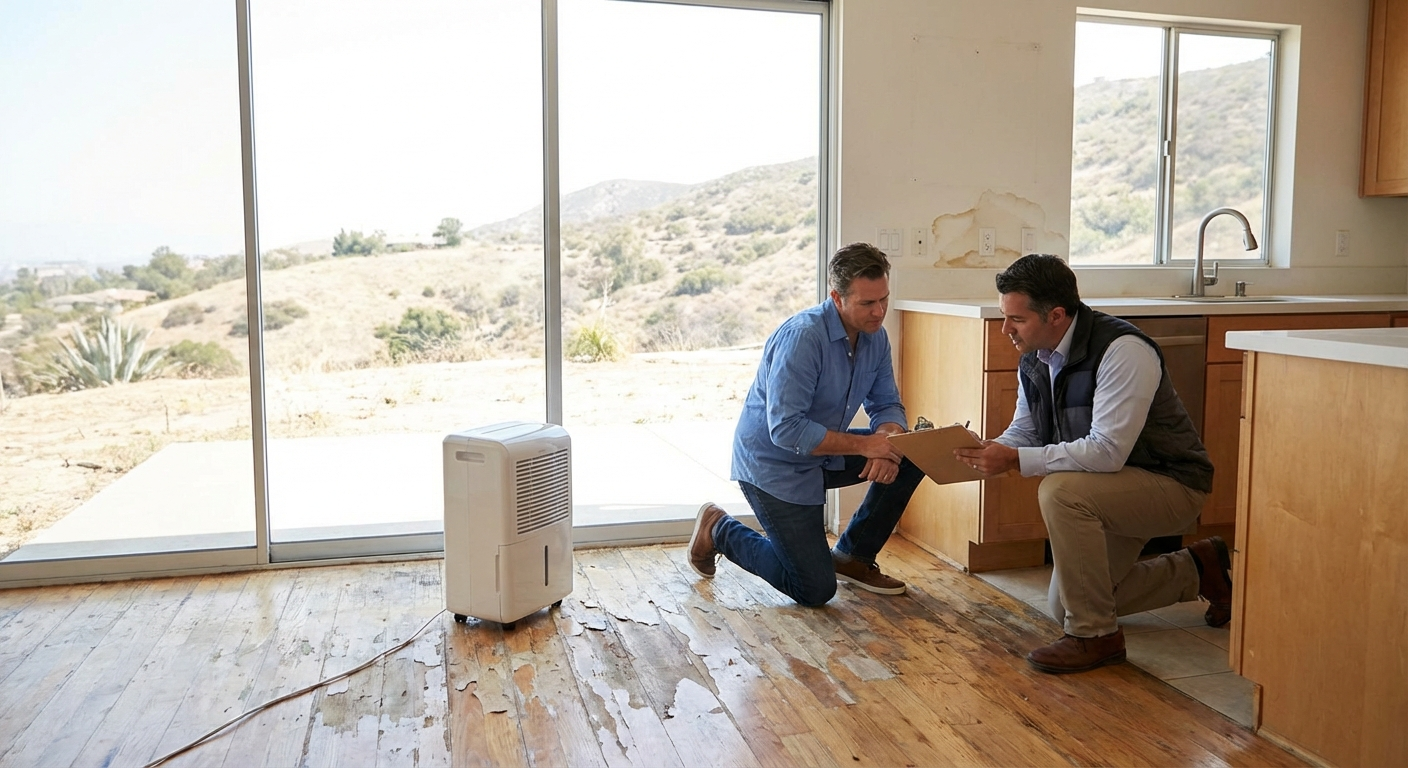
Getting the Right Protection
So, what’s a California homeowner to do?
1. **Read Your Policy:** Seriously. Pull out your declarations page and the policy booklet. Look for sections on “Water Damage,” “Exclusions,” and “Endorsements.” Understand what’s in and what’s out.
2. **Consider Endorsements:** Talk to an independent agent about adding specific endorsements.
* **Sewer Backup/Sump Pump Overflow:** This is a must-have for many.
* **Service Line Coverage:** This covers the utility lines (water, sewer, gas) that run from your property line to your house. If the main water line breaks underground, this can save you thousands.
* **Extended Water Damage Coverage:** Some insurers offer broader coverage for certain types of water damage that might otherwise be excluded.
3. **Choose the Right Deductible:** Your deductible is the amount you pay out of pocket before your insurance kicks in. A higher deductible means lower premiums, but make sure you can afford that amount if a claim happens.
4. **Work with an Independent Agent:** This is perhaps the most important step. An independent agent like Karl Susman at Los Angeles Home Insurance Quotes (CA License #OB75129) works for *you*, not for a single insurance company. They can shop around with multiple carriers to find a policy that fits your specific needs and budget, making sure you get the water damage coverage you actually need. They understand the nuances of the California market and can explain the fine print in plain language.
Don’t wait until water is pouring through your ceiling to figure out your coverage. Get proactive.
Ready to review your current policy or explore options for better water damage protection? It’s time to talk to an expert.
Click here to get a personalized home insurance quote.
Preventative Measures You Can Take
Even with the best insurance, preventing water damage is always the better route.
* **Regular Inspections:** Check under sinks, around toilets, and near appliances for any signs of leaks or moisture.
* **Maintain Appliances:** Inspect hoses on washing machines, dishwashers, and refrigerators regularly. Replace old, brittle hoses.
* **Know Your Main Shut-Off Valve:** Make sure everyone in your household knows where it is and how to turn it off in an emergency.
* **Monitor Water Bills:** A sudden spike in your water bill could indicate a hidden leak.
* **Consider Water Leak Detectors:** Smart home devices can alert you to leaks early, potentially saving thousands in damage.
Frequently Asked Questions About Water Damage and Home Insurance
Does home insurance cover damage from a leaky roof?
It depends. If a sudden event like a storm damages your roof, and water gets in, the interior water damage is likely covered. But if the leak is due to an old, poorly maintained roof, or just wear and tear, the roof repair itself often isn’t covered, and the resulting interior damage might also be denied.
What’s the difference between water damage and flood damage?
Water damage usually refers to water originating *inside* your home (like a burst pipe) or from specific external sources like rain entering through a damaged roof. Flood damage, on the other hand, is caused by rising water from *outside* your home, like overflowing rivers, storm surges, or heavy rainfall accumulating on the ground and entering your property. Standard home insurance covers water damage but not flood damage.
Is mold always covered if it’s caused by a water leak?
Not necessarily. If the mold developed slowly over time from an unaddressed leak, it might not be covered. If it’s a direct result of a sudden, covered peril (like a burst pipe), then some mold remediation might be included, often with specific limits. Always check your policy for mold exclusions and coverage limits.
Do I need to get flood insurance in California?
It’s highly recommended, especially if you live in a low-lying area, near a body of water, or in a designated flood zone. Even if you’re not in a high-risk zone, flooding can happen unexpectedly. Your mortgage lender might also require it.
How can I find out what my current policy covers for water damage?
The best way is to read your policy documents, specifically the sections on “Perils Covered,” “Exclusions,” and “Endorsements.” If it’s still unclear, call your insurance agent. Karl Susman and his team at Los Angeles Home Insurance Quotes can walk you through your policy’s specifics. Just call (877) 411-5200.
Navigating home insurance in California can feel like walking through a maze. But with the right guidance, you can ensure your home is protected from unexpected water damage. Don’t leave it to chance.
Get a quote today and protect your California home.
***
This article is for informational purposes only and does not constitute financial advice.