- How California home insurance policies handle roof damage.
- The steps to take immediately after your roof is damaged.
- How to file a claim and what to expect from your insurer.
- Tips for working with adjusters and contractors.
- What to do if your claim is denied or underpaid.
When a California Roof Needs Repair: A Step-by-Step Home Insurance Claim Guide
For many Californians, their home is their biggest asset. It’s where memories are made, families grow, and life unfolds. Your roof, though, often gets forgotten until a problem pops up. That’s when you suddenly remember you have home insurance. But filing a claim for roof damage in California? That’s not always a straightforward affair.
Think about it. We’ve got our share of unique challenges here. Fierce Santa Ana winds can tear shingles right off. Sudden, heavy downpours test every seam. Sometimes, it’s just plain old wear and tear, or a rogue branch from an oak in your backyard in Pasadena decided to say hello to your living room. Whatever the cause, dealing with the aftermath and getting your insurer to pay up can feel like a maze.
This guide will walk you through the process, step by step, so you know exactly what to do when your roof takes a hit.
1. Know Your Policy Before Trouble Starts
Honestly, most people don’t really read their home insurance policy until they need it. That’s a mistake. Your policy is a contract, and understanding its quirks *before* you have a hole in your ceiling will save you a lot of headaches.
First, check your coverage type. Does your policy offer Actual Cash Value (ACV) or Replacement Cost Value (RCV) for your roof? This is a big difference. ACV policies pay out the depreciated value of your roof. So, if your roof is 15 years old and has a 20-year lifespan, an ACV payout will be significantly less than the cost of a new roof. You’re getting money for a 15-year-old roof, not a brand new one.
RCV, on the other hand, pays what it actually costs to replace your roof with new materials of similar quality, up to your policy limit. Most homeowners want RCV, but it often costs more. Many insurers in California are pushing ACV policies for roofs, especially older ones, due to rising claim costs.
Next, look at your deductible. This is the amount you pay out of pocket before your insurance kicks in. For example, if you have a $2,500 deductible and your roof repair costs $10,000, your insurer pays $7,500. Some policies even have separate, higher deductibles for specific perils like wind or hail — a common sight in parts of the Inland Empire.
Finally, check for any exclusions. Does your policy cover damage from specific types of wind, or only catastrophic events? What about old roofs? Some policies won’t cover roofs over a certain age unless they’ve been recently inspected or certified.
2. Damage Done: What to Do Immediately
Your roof just took a beating. Maybe you heard a loud crash in the night, or you woke up to water stains spreading across your ceiling. Panic might be your first reaction. Don’t let it be.
Your immediate priority is safety. Is it safe to be in the house? Are there exposed electrical wires? If a tree branch is still on the roof, don’t try to remove it yourself. Call a professional.
Then, prevent further damage. If water is coming in, grab buckets. Move furniture. If you can safely do so, and it’s a minor leak, try to cover the damaged area with a tarp. You might need a professional roofer for this, especially if it’s a large area or high up. Keep all receipts for these temporary repairs. Your insurer expects you to mitigate damage; they won’t pay for additional damage that could have been prevented.
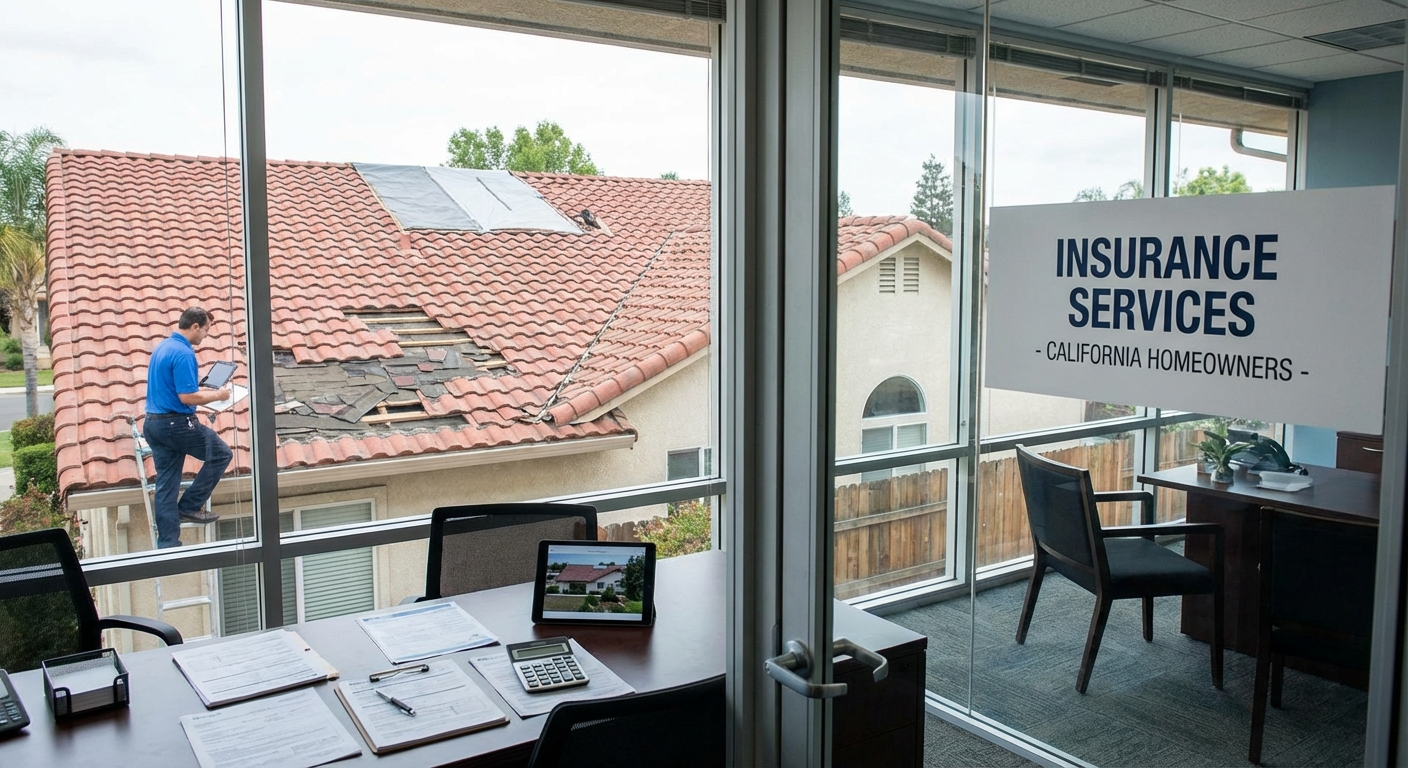
Which brings up something most people miss: document everything. Take photos and videos of the damage from every angle you can safely get. Get close-ups of missing shingles, torn flashing, or water intrusion inside. Date and time-stamp these if possible. This visual evidence is gold when you file your claim.
3. Making the Call: Notifying Your Insurer
Once the immediate danger is handled and you’ve documented the damage, it’s time to contact your insurance company. Don’t delay. Most policies require you to report damage promptly.
You can usually call your agent or the insurer’s main claims line. Be prepared to provide your policy number, the date of the damage, and a brief description of what happened. They’ll give you a claim number – write it down. This number is your ticket to everything related to your claim.
They’ll likely ask if you’ve done any temporary repairs. Tell them yes, and mention you have receipts and photos. They might also ask if you have an estimate for repairs yet. You probably won’t at this stage, and that’s fine.
Here’s where it gets interesting. Some homeowners worry that filing a claim will automatically raise their premiums. The short answer is yes, sometimes it does. The real answer is more complicated. One claim, especially for significant damage, might not spike your rates dramatically, but multiple claims over a short period almost certainly will. It’s a balancing act: file for major damage, but maybe absorb the cost of a few missing shingles yourself if it’s cheaper than your deductible.

4. The Adjuster’s Visit: Preparing for Inspection
Your insurer will assign a claims adjuster. This person’s job is to inspect the damage, determine the cause, and estimate the cost of repairs. They’ll contact you to schedule a visit.
Before they arrive, gather all your documentation: photos, videos, receipts for temporary repairs. If you have any previous roof inspection reports or photos of your roof before the damage, have those ready too.
When the adjuster is there, walk them through the damage. Point out everything you’ve observed. Don’t be shy. If you have a trusted roofer who can be present during this inspection, that’s even better. They can speak the same technical language as the adjuster and ensure nothing is overlooked.
Adjusters look for specific things: the age of the roof, the type of material, the extent of the damage, and whether it’s consistent with the reported cause. They’ll also assess if the damage is sudden and accidental (covered) or due to long-term wear and tear or neglect (often not covered). This distinction is a common point of contention.
5. Getting Repair Estimates & Contractor Vetting
After the adjuster’s visit, you’ll need to get repair estimates. Don’t settle for just one. Get at least two, preferably three, detailed bids from licensed, reputable roofing contractors.
Make sure these estimates break down costs for materials, labor, permits, and any other associated work (like gutter replacement or interior drywall repair if water got in). They should also specify the type of materials they plan to use.
When vetting contractors, check their California contractor’s license (CSLB website is your friend). Ask for references. Read online reviews. Be wary of contractors who show up unsolicited after a storm, especially if they pressure you to sign a contract on the spot or promise to “handle everything” with your insurance company. That’s not always above board.
Your insurer might recommend a contractor from their preferred network. You’re not obligated to use them. You have the right to choose your own contractor.
6. Reviewing the Offer: Understanding Your Claim Settlement
Once your insurer has the adjuster’s report and your estimates, they’ll issue a settlement offer. This often comes with a detailed breakdown of what they’re paying for.
If you have an ACV policy, the initial payment will be the depreciated value. If you have an RCV policy, they’ll usually pay the ACV first, and then the “depreciation holdback” once repairs are completed and you submit proof of payment to your contractor. This is to ensure you actually get the work done.
Compare their offer to your contractor estimates. If there’s a big difference, you’ll need to negotiate. Maybe the adjuster missed something. Maybe their pricing for materials is outdated. Your contractor can often help you with this, providing supplemental estimates to the insurer.
Sometimes, homeowners in high-risk areas like parts of Ventura County or the Santa Clarita Valley find their policies have changed significantly due to recent insurer pullbacks. Major players like State Farm and Allstate have tightened their belts, making it harder to get full coverage. This might mean your settlement is less than expected, pushing more costs onto you. If you’re feeling overwhelmed by the process or the offer seems too low, it’s a good idea to seek expert guidance. Karl Susman at Los Angeles Home Insurance Quotes, CA License #OB75129, has helped many Californians with these exact issues. You can reach him at (877) 411-5200.
7. The Repair Process: From Approval to Completion
Once you and your insurer agree on a settlement amount, the real work begins. Schedule your contractor. Make sure they pull all necessary permits – this is not something to skip. Local building departments in places like Los Angeles or the Bay Area are strict, and unpermitted work can cause problems down the road when you sell your home.
Stay in communication with your contractor throughout the repair process. Do regular check-ins. Once the work is done, do a final walkthrough. Make sure everything is completed to your satisfaction and matches the agreed-upon scope of work.
Only make final payment to your contractor once you are completely happy with the job. If you had an RCV policy, submit proof of payment to your insurer to get that depreciation holdback released.
8. When Things Go Wrong: Appealing a Denied or Underpaid Claim
What if your claim gets denied? Or the offer is just too low to cover the repairs? Don’t despair. That’s not the whole story.
First, ask your insurer for a detailed explanation in writing for the denial or low offer. Understand their reasoning. Is it due to policy exclusions? Wear and tear? Disagreement on the scope of damage?
Next, gather more evidence. Get an independent inspection from a public adjuster or another reputable roofer who can provide a report contesting the insurer’s findings. This might cost you, but it could pay off.
You can appeal the decision directly with your insurance company. Most have a formal appeals process. Be persistent. If that doesn’t work, you can file a complaint with the California Department of Insurance (CDI). The CDI acts as a consumer advocate and can sometimes mediate disputes. Remember Prop 103? It gives the CDI significant power to regulate insurance rates and practices, and they take consumer complaints seriously.
For complex or stubborn claims, sometimes you need a professional in your corner. An experienced insurance agent, like Karl Susman, can be an invaluable resource. He understands the nuances of California insurance law and can help you interpret your policy, gather the right documentation, and even communicate with your insurer on your behalf. You can contact Los Angeles Home Insurance Quotes at (877) 411-5200. They’ve seen it all, from wind damage in Ventura County to hail in the high desert.
If you’re looking for new home insurance coverage or want to review your current policy, it’s smart to compare options. Get a personalized quote today and make sure your home is properly protected: https://losangeleshomeinsurancequotes.com/quote/
***
Frequently Asked Questions About California Roof Damage Claims
Q: Will filing a roof damage claim increase my home insurance premium?
A: It might. While one claim for significant damage might not cause a huge jump, multiple claims over a short period almost certainly will. Insurers look at your claims history when setting rates. Sometimes, if the damage is minor and less than your deductible, it’s better to pay out of pocket.
Q: What if my roof is old? Will my insurance still cover it?
A: This depends heavily on your specific policy and the age of your roof. Many California insurers are hesitant to offer full replacement cost coverage for roofs over a certain age (e.g., 15-20 years old). You might have an Actual Cash Value (ACV) policy, which pays a depreciated amount, or your policy might exclude older roofs entirely unless they’ve had recent inspections. Always check your policy’s fine print.
Q: How long does the roof claim process usually take?
A: It varies a lot. A simple claim with clear damage and a cooperative insurer might be resolved in a few weeks. More complex cases, especially those involving disputes over damage cause or settlement amounts, can stretch for months. Factors like adjuster availability, contractor scheduling, and the extent of damage all play a part.
Q: What’s the difference between an insurance adjuster and a public adjuster?
A: An insurance adjuster works for your insurance company; their primary role is to assess the damage on behalf of the insurer. A public adjuster, on the other hand, is an independent professional you hire to represent *your* interests in a claim. They work for you, not the insurance company, and typically charge a percentage of the final settlement. They can be helpful in complex or disputed claims.
Q: Can I choose my own contractor, or do I have to use my insurer’s preferred vendor?
A: You absolutely have the right to choose your own licensed and reputable contractor. While your insurer might suggest contractors from their network, you are not obligated to use them. It’s often a good idea to get multiple bids from independent contractors to ensure you’re getting a fair price and quality work.
***
For more information or to get a personalized home insurance quote, visit: https://losangeleshomeinsurancequotes.com/quote/
This article is for informational purposes only and does not constitute financial advice.