Foundation Cracks in California: A Homeowner’s Nightmare
For most California homeowners, the house isn’t just a place to live; it’s often their biggest asset. And nothing can threaten that asset quite like foundation damage. Imagine the dread: you spot a new crack snaking up a wall, a door that suddenly sticks, or a floor that feels a little… off. In a state like ours, with its unique geology and seismic activity, foundation problems aren’t just a hypothetical worry. They’re a very real, very expensive possibility.
But here’s where it gets interesting. You pay for home insurance, right? It’s supposed to protect you from the worst. So, when your foundation starts to give way, surely your policy steps in. The short answer is yes. The real answer is more complicated, especially in California.
Why California Foundations Are So Vulnerable
Our state is a geological marvel — and a bit of a headache for home builders. We’ve got it all: active fault lines, expansive clay soils that swell and shrink with moisture, steep hillsides prone to erosion, and vast, flat areas built on fill dirt. Each of these presents a different challenge to a home’s concrete slab or perimeter foundation.
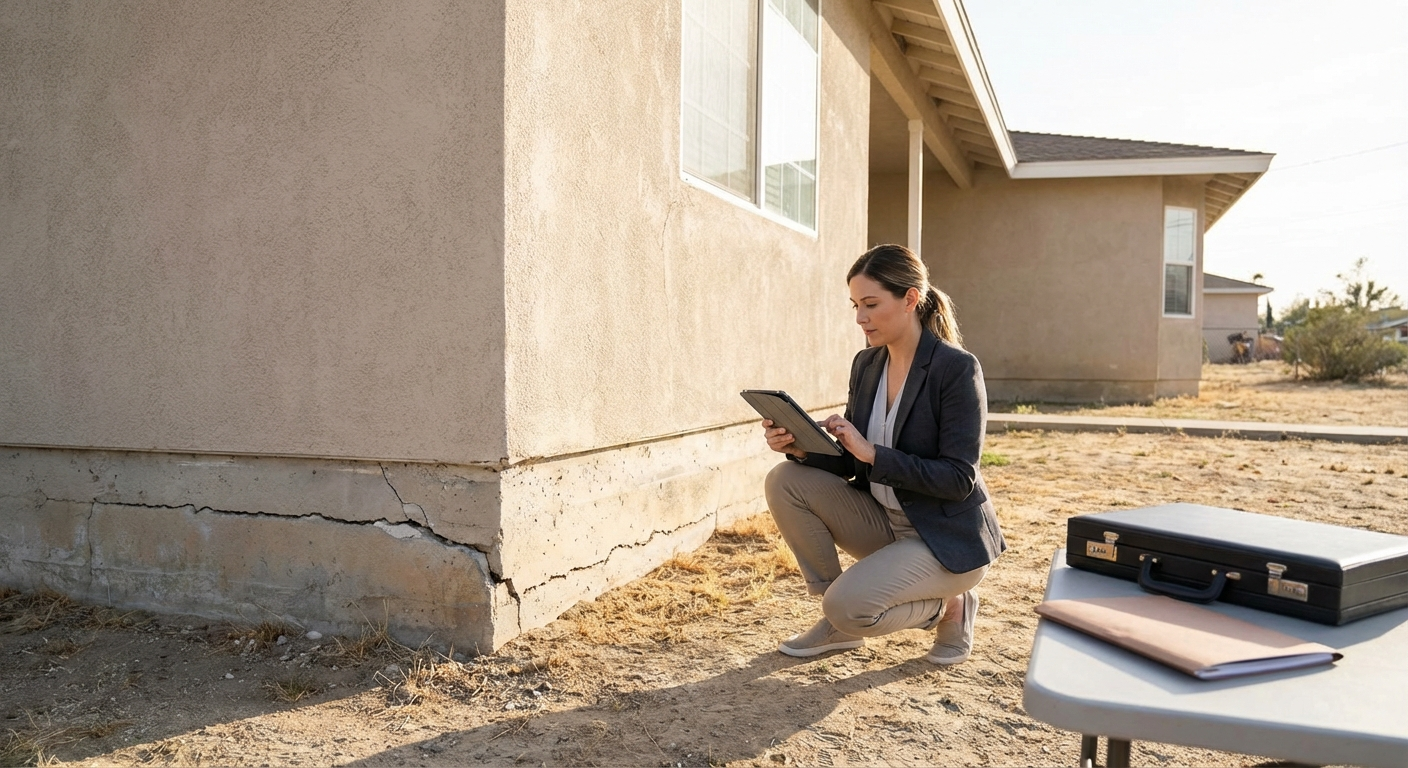
Think about the Inland Empire, for instance. Many homes there sit on soils that can expand dramatically when wet and then contract when dry. This constant movement puts incredible stress on a foundation, often leading to settlement or heave. You might see cracks in stucco, uneven floors, or even plumbing issues as pipes shift.
Then there are the earthquakes. We live with them. Everyone knows about the San Andreas Fault, but countless smaller faults crisscross the state. A significant shake can cause immediate, catastrophic damage to a foundation, shearing off bolts, cracking slabs, or shifting an entire house off its base.
Water also plays a huge role. Heavy rains, like the atmospheric rivers we’ve seen in recent years, can saturate soils, leading to subsidence or even landslides in hilly areas like parts of Ventura County or the Hollywood Hills. Even a persistent plumbing leak under a slab, left unchecked, can erode the soil beneath, creating voids that cause the foundation to sag.
Standard Home Insurance: What It Usually Covers (and Doesn’t)
Your typical California homeowners policy is designed to cover sudden and accidental damage from specific “perils” listed in your policy. Things like fire, theft, vandalism, or a tree falling on your house. If, say, a fire rips through your home and damages the foundation, your policy would likely cover the repairs. If a car careens into your house and cracks the slab, that’s usually covered too.
But here’s the catch for foundation damage: most policies have significant exclusions. These aren’t hidden in fine print; they’re usually front and center.
For one, earthquake damage is almost always excluded from standard policies. This is a big one for California. If the Big One hits and your foundation crumbles, your regular policy won’t pay a dime. You need a separate earthquake policy for that, often purchased through the California Earthquake Authority (CEA) or a private insurer.
Here’s another common exclusion: damage from “earth movement.” This often includes things like landslide, mudflow, earth sinking, rising, or shifting. This is where the expansive clay soils or gradual subsidence issues come into play. If your foundation cracks because the soil under it slowly expanded and contracted over years, your standard policy probably won’t cover it. It’s considered a maintenance issue or a naturally occurring event, not a sudden, accidental peril.
Water damage is tricky. If a sudden, accidental pipe burst under your slab causes immediate damage to the foundation, that *might* be covered. But if it’s a slow, persistent leak that’s been eroding the soil for months or years, that’s often seen as gradual damage or neglect, and it’s usually excluded. The key word is “sudden.”
When Insurers Pull Back: A California Reality Check
It’s no secret that the insurance market in California has been… challenging. Major insurers like State Farm, Allstate, and Farmers have either paused new policies or significantly tightened their underwriting guidelines. This isn’t just about wildfires; it’s about the accumulation of risks across the state, including the high cost of repairs for things like foundation damage.
This means finding coverage, especially for homes in areas with higher perceived risks (think older homes, homes on hillsides, or properties with known soil issues), can be harder and more expensive than it used to be. The California FAIR Plan, our state’s “insurer of last resort,” has seen a huge increase in policies. While it provides basic fire coverage, its offerings are often much more limited than a standard policy, and it certainly won’t fill all the gaps for foundation issues.
What You Can Do to Protect Your Foundation — And Your Policy
You can’t change California’s geology, but you can be proactive.
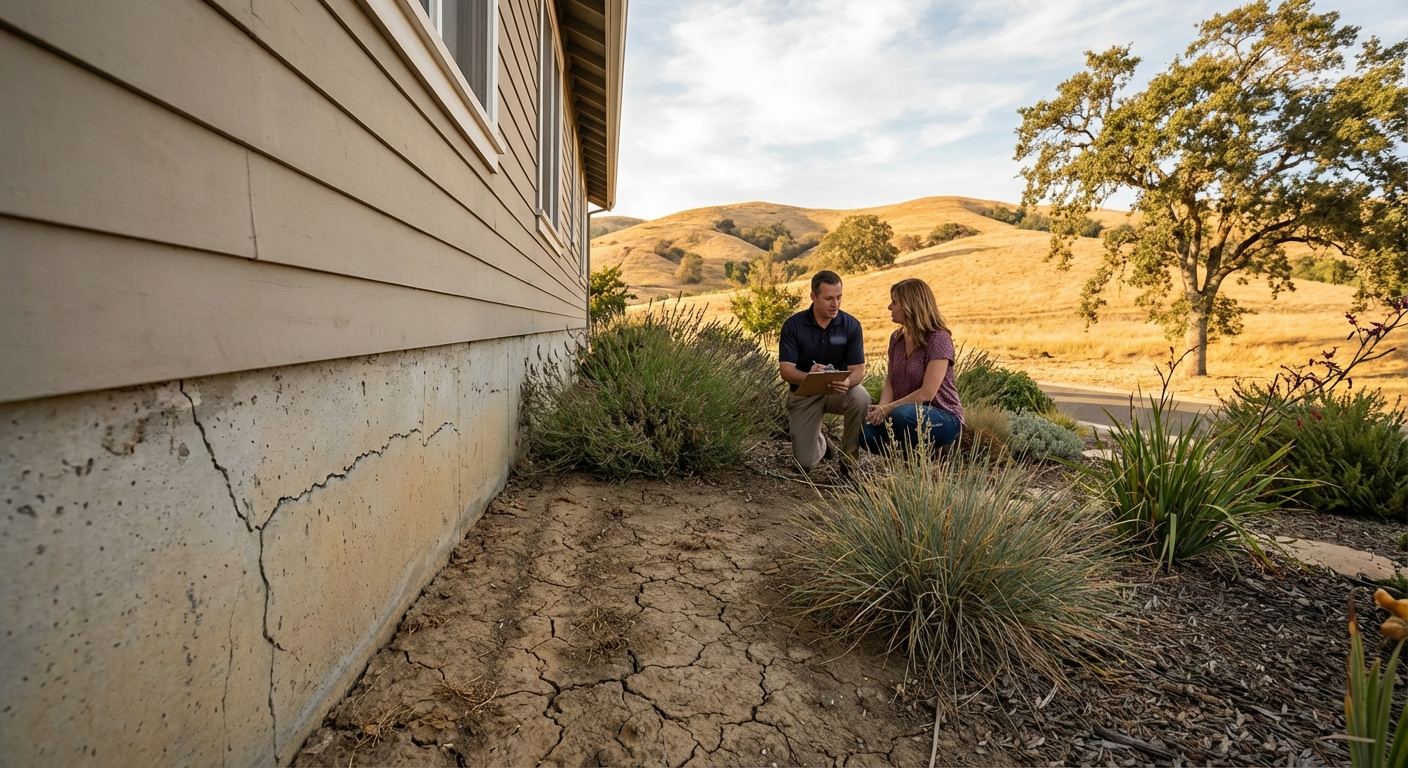
First, know your home. Are there existing cracks? Any signs of water pooling around the foundation? Are your gutters clear and directing water away from the house? Proper drainage is absolutely essential for preventing soil erosion and saturation. Trim trees and shrubs whose roots might be growing too close to your foundation.
Next, read your policy. Really read it. Don’t just skim. Understand what perils are covered and, more importantly, what’s explicitly excluded. If you’re unsure, ask your agent. Karl Susman at Los Angeles Home Insurance Quotes, CA License #OB75129, has helped countless Californians understand these complex policies. He can walk you through the specifics of your coverage and point out any potential gaps. You can reach him at (877) 411-5200.
Consider additional coverage. If you live in an earthquake-prone area (which is most of California), an earthquake policy is a must. If you’re in a flood zone or near a body of water, flood insurance is another separate policy you’ll need. These policies address some of the biggest foundation threats that standard home insurance ignores.
Document everything. If you notice a new crack, take photos, note the date, and monitor its progression. If you suspect a leak, get it checked immediately. This documentation can be incredibly valuable if you ever need to file a claim.
Working with an Expert: Your Best Defense
Trying to figure out the nuances of home insurance in California, especially when it comes to something as potentially devastating as foundation damage, can feel like trying to solve a puzzle with half the pieces missing. That’s where an independent insurance agent like Karl Susman comes in.
He doesn’t work for one specific insurance company. Instead, he works for you. He can shop around, compare policies from different carriers, and explain the differences in coverage, deductibles, and exclusions. This is especially important for foundation issues, where the wording in a policy can make a huge difference in whether a claim is paid or denied. He understands the unique risks of California homes, from the hillsides of Malibu to the sprawling tracts of the Central Valley.
Don’t wait until you see that ominous crack. Get informed now. Understanding your policy and your options is the best way to protect your home and your financial well-being.
Ready to talk about your specific situation? It’s always a good idea to get a professional opinion on your coverage. You can reach out to Karl Susman and his team directly for a personalized assessment. Visit https://susmaninsurance.com/get-a-quote/ to start the conversation.
Frequently Asked Questions About Foundation Damage & Home Insurance
Does my standard home insurance policy cover foundation damage from an earthquake?
No, almost never. Standard home insurance policies in California specifically exclude earthquake damage. For that, you’d need a separate earthquake insurance policy, often purchased through the California Earthquake Authority (CEA) or a private insurer.
What if my foundation cracks because of shifting soil? Is that covered?
Usually not by a standard policy. Damage from “earth movement” – which includes things like land subsidence, shifting, or expanding soils – is a common exclusion. Insurance companies generally view this as a natural occurrence or a maintenance issue, not a sudden, accidental event.
Will my policy cover foundation damage from a burst pipe?
It might. If a pipe bursts suddenly and accidentally under your slab, causing immediate damage to the foundation, your policy might cover the repairs. However, if it’s a slow leak that’s been happening for a long time, leading to gradual damage, it’s often considered a maintenance issue and could be excluded. The key is whether the damage was sudden and accidental.
What kind of preventative measures can I take to protect my foundation?
Good drainage is key. Make sure your gutters are clean and direct water far away from your foundation. Keep your landscaping trimmed and avoid planting large trees too close to the house, as their roots can cause problems. Regularly inspect your foundation for cracks or signs of water pooling.
Why is it so hard to get foundation damage covered in California?
California’s unique geology and seismic activity mean foundation issues are a widespread and expensive risk. Insurers often exclude these risks from standard policies because they are either too common (like earth movement) or too catastrophic (like earthquakes) to cover under a general policy without charging significantly higher premiums or requiring specialized, separate policies.
Want to make sure you’re covered for the specific risks your California home faces? Don’t leave it to chance. Connect with an expert who knows the California insurance market inside and out. Get a quote and discuss your options today at https://susmaninsurance.com/get-a-quote/.
***
This article is for informational purposes only and does not constitute financial advice.