Thinking About Flood Insurance in California? You Probably Should Be.
You might think floods only happen near big rivers, right next to the ocean, or maybe if you live in a known floodplain. For most California homeowners, that’s a common thought. It’s easy to assume your home is safe because you’re not in one of those obvious spots. But here’s the thing: California’s weather patterns are changing. We’ve seen it firsthand with those atmospheric rivers that dump inches upon inches of rain in a single day, turning quiet streets into raging torrents. Suddenly, areas that never flooded before — places in the Inland Empire, or even parts of the Valley far from a major waterway — find themselves underwater.
Many folks don’t realize this, but your standard homeowner’s insurance policy, the one you’ve had for years, simply doesn’t cover flood damage. Not a drop. That means if a burst pipe soaks your kitchen, you’re probably okay. But if heavy rain causes a nearby creek to overflow, or if runoff from a hillside rushes into your living room, you’re on your own. That’s a huge gap in protection, especially when you consider the sheer cost of repairing a flood-damaged home. We’re talking tens of thousands of dollars, sometimes much, much more.
Why Standard Home Insurance Misses the Mark on Floods
Let’s get straight to it. Your typical homeowner’s policy is designed to cover specific perils: fire, theft, windstorms, maybe even a tree falling on your roof. It’s all laid out in the policy documents, usually under a section called “named perils.” Water damage from something *inside* your home, like that broken pipe or an overflowing washing machine, is generally covered. But when water comes from *outside* — from rising groundwater, overflowing bodies of water, or even flash floods — that’s a different story entirely. That’s what flood insurance is for.
This isn’t some arbitrary rule dreamt up by insurers. The risk models for flood are very different from, say, fire. Floods can affect huge areas all at once, leading to massive claims across an entire region. Insurers separate this risk to manage it better. It’s a common arrangement across the entire country, not just here in California. So, if you’re waiting for your standard policy to magically cover a flood, you’ll be sorely disappointed when the water recedes.
The Two Main Paths to Flood Protection: NFIP vs. Private
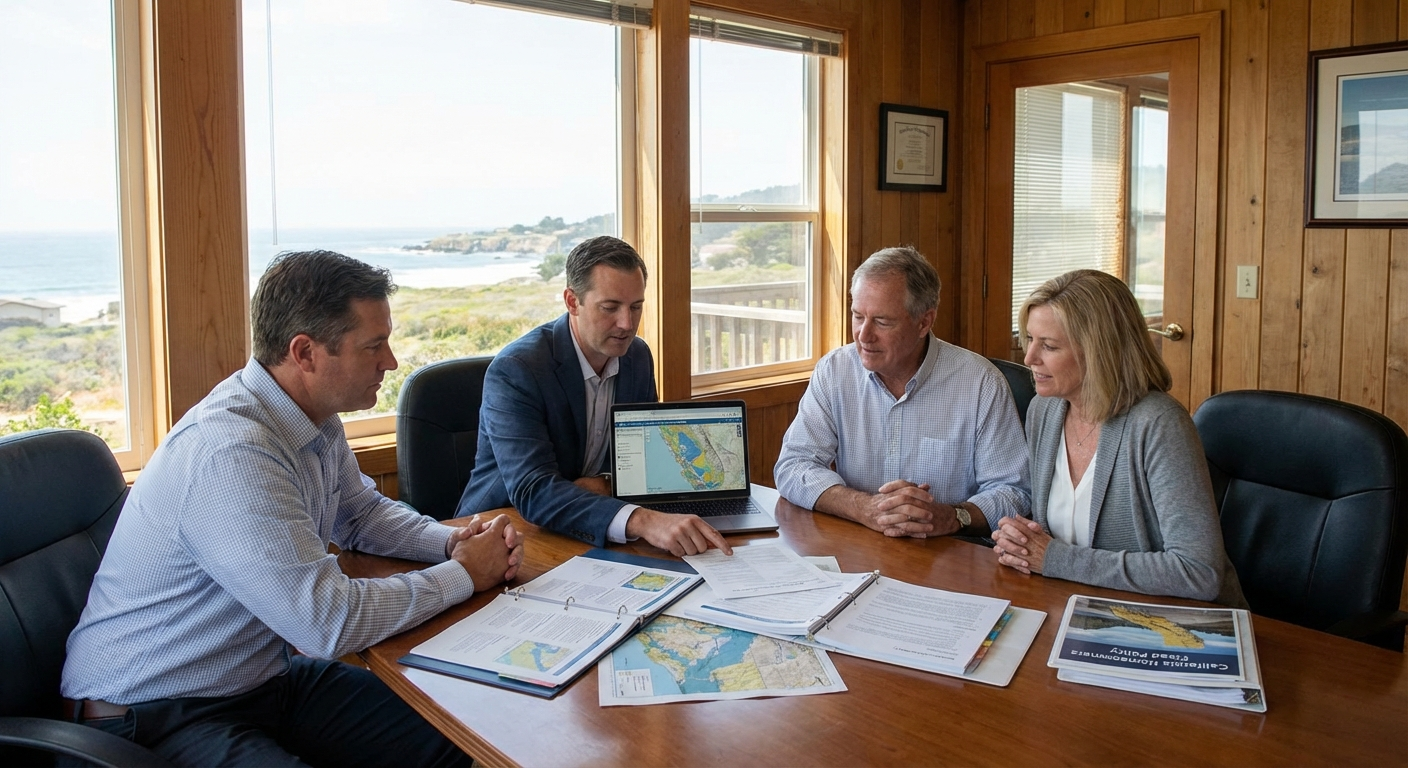
For years, if you needed flood insurance, you probably went through the National Flood Insurance Program (NFIP). This is a federal program run by FEMA (the Federal Emergency Management Agency). You buy the policy through an insurance agent, but the coverage itself is backed by the government. It’s been the go-to for many, especially those in designated high-risk flood zones, where it might even be required by your mortgage lender.
But wait — that’s not the whole story anymore. Over the last decade or so, a private flood insurance market has really started to grow. These are policies offered by private insurance companies, much like your standard home insurance. For some homeowners, especially those outside the highest-risk FEMA zones, private flood insurance can sometimes offer more flexible coverage options, potentially higher limits, and, yes, sometimes even better pricing. It all depends on your specific property and its unique risk factors.
Honestly, it’s worth exploring both. The NFIP has undergone some changes with its new rating system, Risk Rating 2.0, which aims to make pricing more equitable and reflect individual property risk better. For some, this means lower premiums. For others, particularly those in older homes in previously underpriced areas, it could mean higher costs. That’s why comparing options is so smart.
What Flood Insurance Actually Covers (and What it Doesn’t)
Let’s talk specifics. Flood insurance generally comes in two parts: building coverage and contents coverage.
* **Building Coverage:** This protects the structure of your home, its foundation, electrical and plumbing systems, built-in appliances (like water heaters and central air conditioning), and even attached garages. Think of it as protecting the bones of your house.
* **Contents Coverage:** This covers your personal belongings — furniture, clothing, electronics, and other valuables. You’ll usually choose a separate limit for this, and it’s always a good idea to do a home inventory beforehand.
Now, for what it *doesn’t* cover. Things outside your home, like landscaping, decks, fences, pools, and even vehicles, are typically not included. Your car, for instance, would usually be covered by the comprehensive portion of your auto insurance policy if it’s damaged in a flood. Basements also have limited coverage under NFIP policies; generally, only essential utilities like furnaces and water heaters are covered, not finished walls or personal items down there.
One more thing to remember: most flood insurance policies have a waiting period, typically 30 days, before coverage kicks in. This isn’t to trick you; it’s to prevent people from buying a policy only when a hurricane is already on its way. So, don’t wait until the storm clouds gather to think about it. Plan ahead.
What Makes Flood Insurance Premiums Go Up (or Down)?
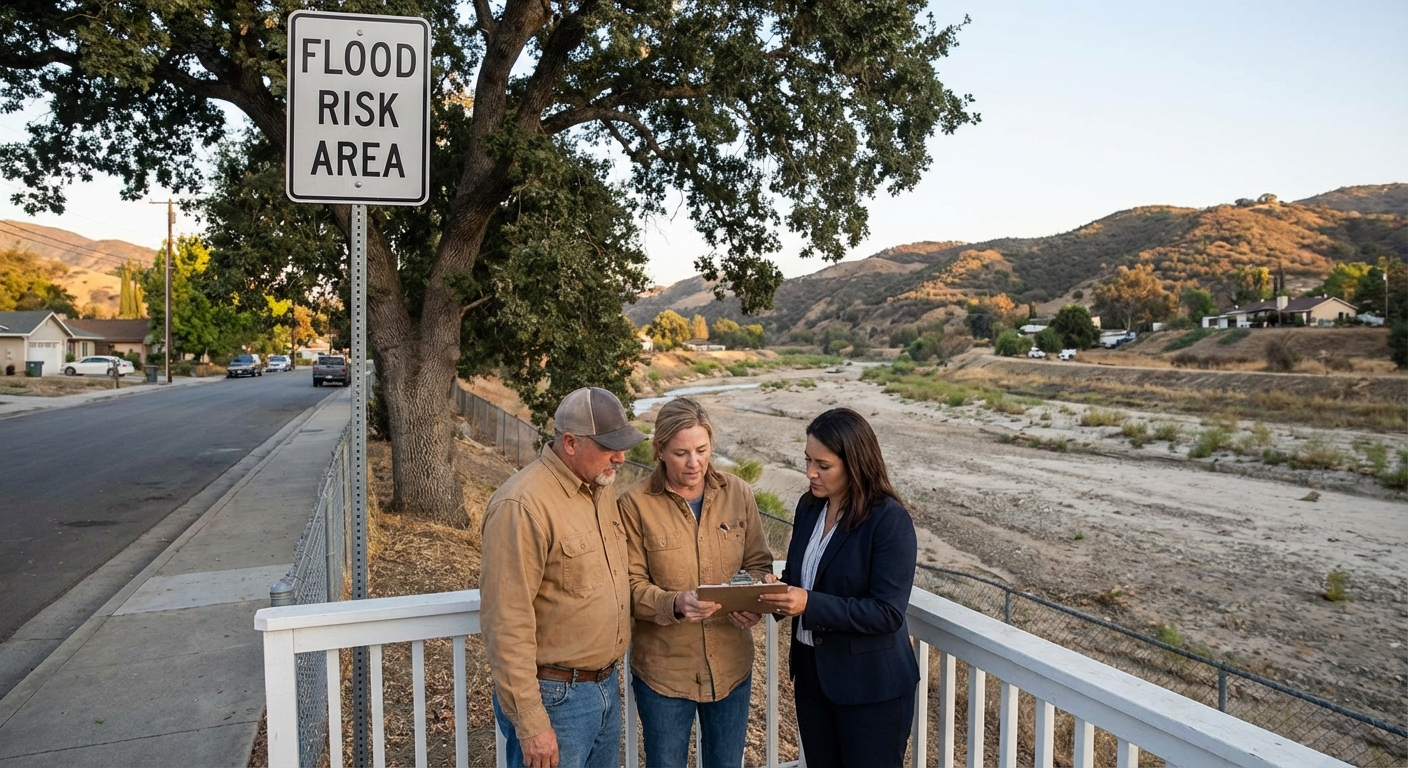
Several things drive your premium up. The biggest factor, naturally, is your home’s flood risk. FEMA uses flood maps to designate zones — from high-risk A or V zones (where you’re almost certainly required to have insurance if you have a mortgage) to moderate-to-low risk B, C, or X zones. If you’re in a high-risk zone, your premium will be higher. Simple as that.
But it’s not just about the zone anymore. Risk Rating 2.0, for NFIP policies, looks at things like:
* **Distance to water:** How close is your property to a river, lake, or coastline?
* **Elevation:** Is your home elevated above the base flood elevation? Higher is better, and usually cheaper.
* **Type of foundation:** Is it a crawl space, slab, or basement?
* **Reconstruction cost:** How much would it cost to rebuild your home?
* **Prior claims:** Has your property flooded before?
For private flood insurance, these factors are also considered, but they might use their own proprietary models, which could sometimes result in a different — and potentially better — price for you. This is why getting multiple quotes from different sources is so smart.
California’s Unique Flood Challenges
California’s relationship with water is… complicated. We swing wildly between drought and deluge. The atmospheric rivers we mentioned earlier are a prime example. These long, narrow bands of moisture in the sky can transport huge amounts of water from the Pacific, unleashing weeks’ worth of rain in a matter of days. Remember the winter of 2023? Those storms caused widespread flooding, mudslides, and incredible damage across the state, from Ventura County up to the Sierras. Many homes that had never seen a drop of floodwater were suddenly inundated.
Then there are our aging infrastructure issues. The levees along the Sacramento and San Joaquin rivers, while mostly holding up, are a constant concern. A major breach, like the kind we saw in parts of the Central Valley during those 2023 storms, can turn agricultural fields into temporary lakes and threaten nearby communities. Even in urban areas like Los Angeles, our concrete channels and storm drains can get overwhelmed quickly, leading to street flooding that can creep into homes.
Consider the interplay with our fire season, too. Wildfires, like those that have ravaged areas around Paradise or even closer to cities like Santa Clarita, don’t just destroy homes. They burn away vegetation that holds soil in place. This makes the ground much more susceptible to mudslides and debris flows during subsequent heavy rains. So, a wildfire one year can actually increase your flood risk the next.
California’s insurance market is already facing pressures from wildfire risk, with some major insurers like State Farm and Allstate pulling back from offering new homeowner policies. This kind of market instability can sometimes make it harder to find *any* kind of coverage, including flood. It makes getting advice from a seasoned professional even more essential.
Finding the Right Policy for Your Home
This is where it gets interesting. With the NFIP and a growing private market, you’ve got choices. But navigating those choices can feel like trying to paddle upstream without a map. What’s the right amount of coverage? What’s your actual risk? How do you compare apples to oranges between different policies?
Honestly, the best way to figure out what you need and what’s available is to talk to an independent insurance agent who specializes in California homeowners. Someone who understands both the federal program and the private options. Someone like Karl Susman at Los Angeles Home Insurance Quotes. He and his team have been helping California homeowners protect their biggest asset for years, and they know the ins and outs of both standard and flood policies. They can look at your specific situation, pull flood maps, and help you understand your actual risk, not just what you *think* it might be. They’ll walk you through the options, explain the differences between NFIP and private plans, and help you find the best fit for your home and your budget.
If you’re ready to explore your options or just want to understand your flood risk better, it’s worth a conversation. Don’t wait until the next “Pineapple Express” is bearing down on us. Get ahead of it.
Want to get a head start? You can begin the process of getting a quote right here: https://losangeleshomeinsurancequotes.com/quote/
Thinking about flood protection is a smart move for any California homeowner. It’s not just about living near a river or the ocean anymore; it’s about protecting your biggest investment from the unpredictable nature of our weather. A quick call can clear up a lot of confusion and give you peace of mind. Karl Susman and Los Angeles Home Insurance Quotes (CA License #OB75129) are ready to help.
Ready to see what your options are? Click here to get a quote: https://losangeleshomeinsurancequotes.com/quote/
Frequently Asked Questions About California Flood Insurance
Q: Is flood insurance required in California?
A: It depends. If your home is in a high-risk flood zone (like an A or V zone on FEMA’s maps) and you have a mortgage from a federally regulated lender, then yes, it’s almost certainly required. If you’re outside those zones or don’t have a mortgage, it’s usually optional, but still a very good idea given California’s flood risks.
Q: How much does flood insurance cost in California?
A: This varies a lot. Factors like your home’s location, elevation, construction type, and the amount of coverage you choose all play a role. There’s no single answer, but generally, premiums can range from a few hundred dollars to several thousand per year. The best way to know for sure is to get a personalized quote.
Q: Can I get flood insurance if I’m not in a designated flood zone?
A: Absolutely, and many experts recommend it. A significant percentage of flood claims come from properties outside high-risk zones. With changing weather patterns, “low risk” doesn’t mean “no risk.” You can get a policy through the NFIP or a private insurer, often at a lower rate than those in high-risk areas.
Q: What’s the difference between NFIP and private flood insurance?
A: The NFIP (National Flood Insurance Program) is a federal program backed by FEMA, offering standardized policies. Private flood insurance is offered by private companies and can sometimes provide more flexibility in coverage limits, different deductibles, and potentially different pricing, especially for properties outside the highest-risk areas. It’s often a good idea to compare both.
This article is for informational purposes only and does not constitute financial advice.