
Feeling the Burn: Navigating Homeowners Insurance in California’s Fire Zones
If you own a home in California, especially anywhere near the mountains or wildlands, you’ve probably felt it – that knot of anxiety about wildfire. Maybe you’ve already received a cancellation notice. Perhaps your premium shot up faster than a rocket. For many folks, particularly those who’ve lived in their homes for decades, this new reality feels incredibly unfair. You’re not alone in feeling confused, frustrated, or even a little scared about what it means for your family and your biggest asset. It’s tough out there right now, and finding good, affordable homeowners insurance in California’s designated fire zones has become a real challenge.
Why Insurers Are Pulling Back: A Tough Reality
Honestly, it feels like the ground has shifted under our feet. For years, major insurers like State Farm, AAA, and Farmers were the reliable names. They offered good coverage, often at reasonable rates. But here’s where it gets interesting. Over the last few years, California has seen some truly devastating wildfires. Think about the Camp Fire, the Woolsey Fire, the Thomas Fire – these weren’t just isolated incidents. They wiped out entire communities, causing billions of dollars in losses. Insurers, naturally, look at these events and see huge financial risks.
It’s not just the sheer number of fires; it’s the intensity. Our fire seasons are longer, hotter, and drier. Years of drought have turned vast swaths of our beautiful state into tinderboxes. When a major insurer like State Farm announces it won’t write new homeowners policies in California, or when others dramatically scale back their offerings, it sends a ripple of panic through communities from Ventura County to the Inland Empire. They’re not doing it to be mean; they’re doing it because their business model, quite frankly, can’t sustain the level of risk they’re facing here. Their re-insurers – the companies that insure the insurance companies – are also raising their rates, making it even harder.

Understanding “Fire Zones” and What They Mean for Your Wallet
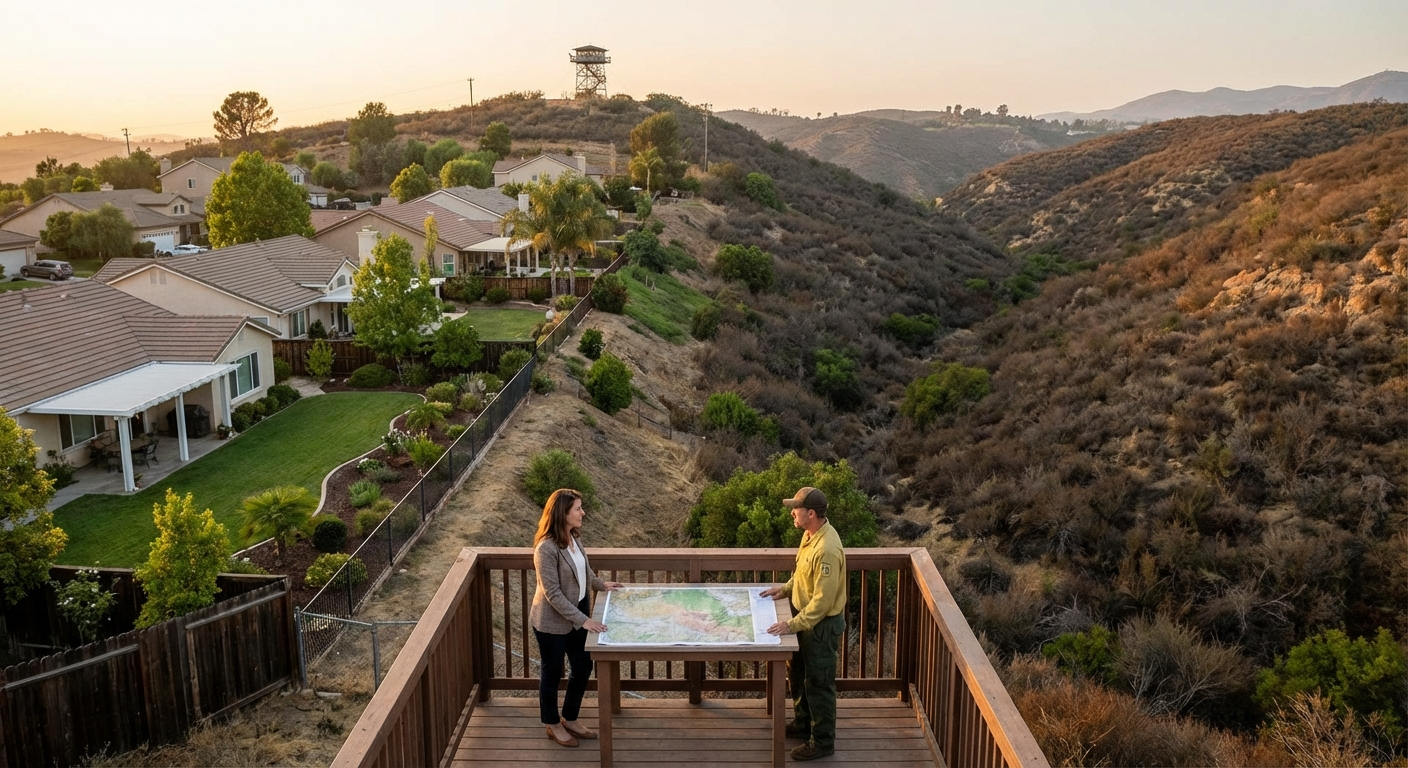
So, what exactly is a “fire zone”? Essentially, these are areas identified by Cal Fire, the state’s fire agency, or by individual insurers as having a higher risk of wildfire. They use complex mapping, looking at things like vegetation density, slope of the land, weather patterns, and historical fire data. If your home falls into one of these zones – often called a Wildland-Urban Interface (WUI) – you’ll likely face higher premiums. You might also find fewer companies willing to offer you a policy.
For homeowners in places like the hillsides of Malibu, the canyons of Orange County, or even parts of the Valley that back up to open space, this designation can feel like a scarlet letter. Suddenly, your quiet, scenic retreat becomes a financial liability. It’s not just about losing your home; it’s about the struggle to protect it with proper insurance *before* anything happens. Many folks who thought they were safe because they hadn’t had a fire nearby for decades are now seeing their rates jump, sometimes by 50% or more between 2022 and 2024. That’s a huge hit to the family budget.
The FAIR Plan: A Safety Net, But With Strings Attached
When traditional insurers pull out, many Californians find themselves turning to the California FAIR Plan. This isn’t a private insurance company; it’s an “insurer of last resort” created by the state to make sure every homeowner can get basic fire coverage, regardless of their risk. If you’ve been declined by multiple private carriers, the FAIR Plan becomes an option.
But wait — it’s not a perfect solution. While it covers fire and smoke damage, it’s often more expensive than a traditional policy and typically doesn’t offer the same broad coverage. You might need to buy a separate “difference in conditions” (DIC) policy from a private insurer to cover things like liability, theft, or water damage. So, you end up with two policies, two bills, and often still paying more than you used to. Recently, the FAIR Plan has been making changes, sometimes offering more extensive coverage options, but it’s still generally seen as a fallback, not a first choice. It really highlights how difficult the situation has become when so many people are forced to rely on it.
Taking Control: What You Can Do About the Risk
You might feel powerless against rising premiums and disappearing policies, but that’s not the whole story. There are tangible steps you can take to make your home less risky – and potentially more attractive to insurers. These efforts aren’t just about insurance; they’re about protecting your home and family.
Home Hardening and Defensible Space
Think about your home itself. Are there things you can do to make it more resistant to embers? That’s “home hardening.” This means things like:
* **Replacing old vents** with fine mesh ones to keep embers out.
* **Installing fire-resistant roofing** and siding.
* **Upgrading to dual-pane windows** that can withstand more heat.
* **Enclosing eaves and soffits** to prevent ember entry.
Then there’s “defensible space.” This is about managing the vegetation around your home. Cal Fire guidelines suggest creating zones around your property:
* **Zone 0-5 feet:** This is your “ember-resistant zone.” Keep it clear of anything flammable – no plants, no mulch, no woodpiles.
* **Zone 5-30 feet:** This is your “lean, clean, and green zone.” Remove dead plants, thin out shrubs, space trees properly, and keep grass short.
* **Zone 30-100 feet (or to property line):** Continue thinning and reducing flammable materials, especially ladder fuels that can carry fire from the ground to tree canopies.
Yes, these measures can be an investment. But they drastically reduce your home’s vulnerability. Plus, some insurers are starting to offer discounts or even be willing to write policies for homes that have clearly invested in these protections. It’s a win-win: safer home, better chance at insurance.
Finding a Path Forward: The Role of an Independent Agent
This whole situation can feel incredibly overwhelming. You’ve got enough on your plate without becoming an insurance expert. That’s where someone like Karl Susman comes in. As an independent agent with Los Angeles Home Insurance Quotes, CA License #OB75129, Karl isn’t tied to just one insurance company. He works with a network of different carriers – including some smaller, specialized ones that you might not even know about.
If you’ve been declined, or if your premium has skyrocketed, Karl understands that fear and confusion. He’s heard the stories. He gets that you just want a fair shake. An independent agent can shop around for you, looking at all the options, including those sometimes overlooked carriers that might still be writing policies in your specific area. They can also guide you on what home hardening improvements might make the biggest difference in your eligibility or premium. It’s about having an advocate in your corner.
Which brings up something most people miss. Even if you’re on the FAIR Plan, an independent agent can help you find that “difference in conditions” policy to fill in the gaps. They can help you piece together the coverage you need, making sure you don’t have dangerous holes in your protection.
The Emotional Toll and What Comes Next
Let’s be honest, living in California’s fire zones carries a mental burden. Every time the Santa Ana winds kick up, or you see smoke on the horizon, your heart probably skips a beat. The stress of potentially losing your home is immense. Add to that the constant worry about whether you can even afford to insure it, and it’s a recipe for sleepless nights. It’s perfectly okay to feel frustrated and even angry about the situation. You’ve worked hard for your home. You deserve to protect it.
But here’s the thing. While the insurance landscape is challenging, it’s not hopeless. Regulators, lawmakers, and even some forward-thinking insurers are working on solutions. There’s a growing push to reward homeowners who invest in wildfire mitigation. Prop 103, a long-standing consumer protection law, continues to influence how rates are set, even if it feels like a losing battle sometimes. The conversation is evolving.
For now, taking proactive steps, understanding your options, and getting expert advice are your best defenses. Don’t throw in the towel. Your home is worth fighting for, and securing the right insurance is a big part of that fight.
If you’re feeling lost in the insurance maze, or just want to talk through your options, don’t hesitate. Karl Susman and his team at Los Angeles Home Insurance Quotes are ready to help. Give them a call at (877) 411-5200.
Click here to get a quote and explore your homeowners insurance options.
Frequently Asked Questions About California Fire Zone Insurance
What makes an area a “fire zone” in California?
Areas are designated as fire zones primarily based on vegetation density, terrain (like steep slopes), historical fire data, and weather patterns. Cal Fire maps these zones, and insurers often use similar criteria, sometimes with their own internal models, to assess wildfire risk.
Can I really be denied homeowners insurance just because I live in a fire zone?
Yes, unfortunately. Private insurers can decline to offer new policies or renew existing ones if they deem the wildfire risk too high. This is why many homeowners in these areas end up with the California FAIR Plan as their primary option for fire coverage.
What’s the difference between the California FAIR Plan and a regular homeowners insurance policy?
The FAIR Plan provides basic fire insurance coverage for properties that can’t get it from the traditional market. It covers fire, smoke, and some related perils. A standard homeowners policy, however, offers much broader coverage, including liability, theft, water damage, and other risks, usually all in one package.
Will home hardening really help me get better insurance?
It can. While it’s not a guarantee, taking steps like installing fire-resistant vents, roofing, or creating robust defensible space significantly reduces your home’s risk. Some insurers are beginning to offer discounts or are more willing to write policies for homes that demonstrate these mitigation efforts. It’s definitely worth doing, both for protection and potential insurance benefits.
Should I use an independent insurance agent if I live in a fire zone?
Absolutely. An independent agent like Karl Susman (CA License #OB75129) has access to multiple insurance companies, including those specialized carriers that might still be writing policies in higher-risk areas. They can help you compare options, understand complex policies, and even help you find supplemental coverage if you’re on the FAIR Plan. It saves you a lot of time and frustration trying to navigate the market alone.
Ready to see what options are available for your home? Get a quote today.
This article is for informational purposes only and does not constitute financial advice.
Ready for Your Free Quote?
No obligation. Takes 2 minutes. Speak with Karl Susman and the team at Los Angeles Home Insurance Quotes.