
The Allure and Anguish of California’s Historic Homes
The Millers had always dreamed of it. A sprawling Craftsman in Pasadena, built in 1912, with its original gumwood trim, a grand fireplace, and a front porch perfect for morning coffee. They fell in love immediately. It wasn’t just a house; it was a piece of California history, a connection to a bygone era. After months of searching and a bidding war, they finally got the keys. Pure joy.
Then came the insurance quotes. The quotes arrived, and the joy quickly turned to a knot in their stomachs. Numbers they hadn’t expected. Suddenly, their dream home felt a little more like a financial tightrope. Many Californians buying these beautiful, storied properties find themselves in the same spot. You’re not just insuring four walls and a roof; you’re insuring a legacy, a specific kind of craftsmanship that simply doesn’t exist anymore.
More Than Just an Old House: The Insurance Puzzle
What makes insuring a historic California home such a different beast? For starters, its age. Most homes built before, say, the 1950s, used construction methods and materials that aren’t standard today. Think true plaster walls, knob-and-tube wiring, cast iron pipes, or specific types of redwood or Douglas fir. If a fire rips through a modern tract home in the Inland Empire, contractors can usually find similar materials off the shelf. Not so for the Millers’ Craftsman.
Say a tree falls on their historic roof during a winter storm. Replacing those specific terra cotta tiles or custom-milled eaves isn’t cheap. Sometimes, the materials are reclaimed or custom-fabricated, driving costs way up. An insurer looks at that and sees a higher potential payout if something goes wrong. Plus, older homes often sit on foundations that aren’t up to modern earthquake standards, or their electrical systems might struggle with today’s heavy power demands. These aren’t minor fixes; they’re capital projects.
Adding another layer of complexity, if your home is officially designated historic — whether by the city of Sacramento, the state, or even federal registers — you might face strict rules about how you can repair it. You can’t just slap vinyl siding over original redwood shingles. Local ordinances often demand “like-kind and quality” repairs, meaning you must replace original features with historically accurate materials and methods. This can easily double or triple repair costs compared to a conventional home. A standard policy might not cover that extra expense, leaving you holding a hefty bill.
When Insurers Get Jumpy: The California Reality
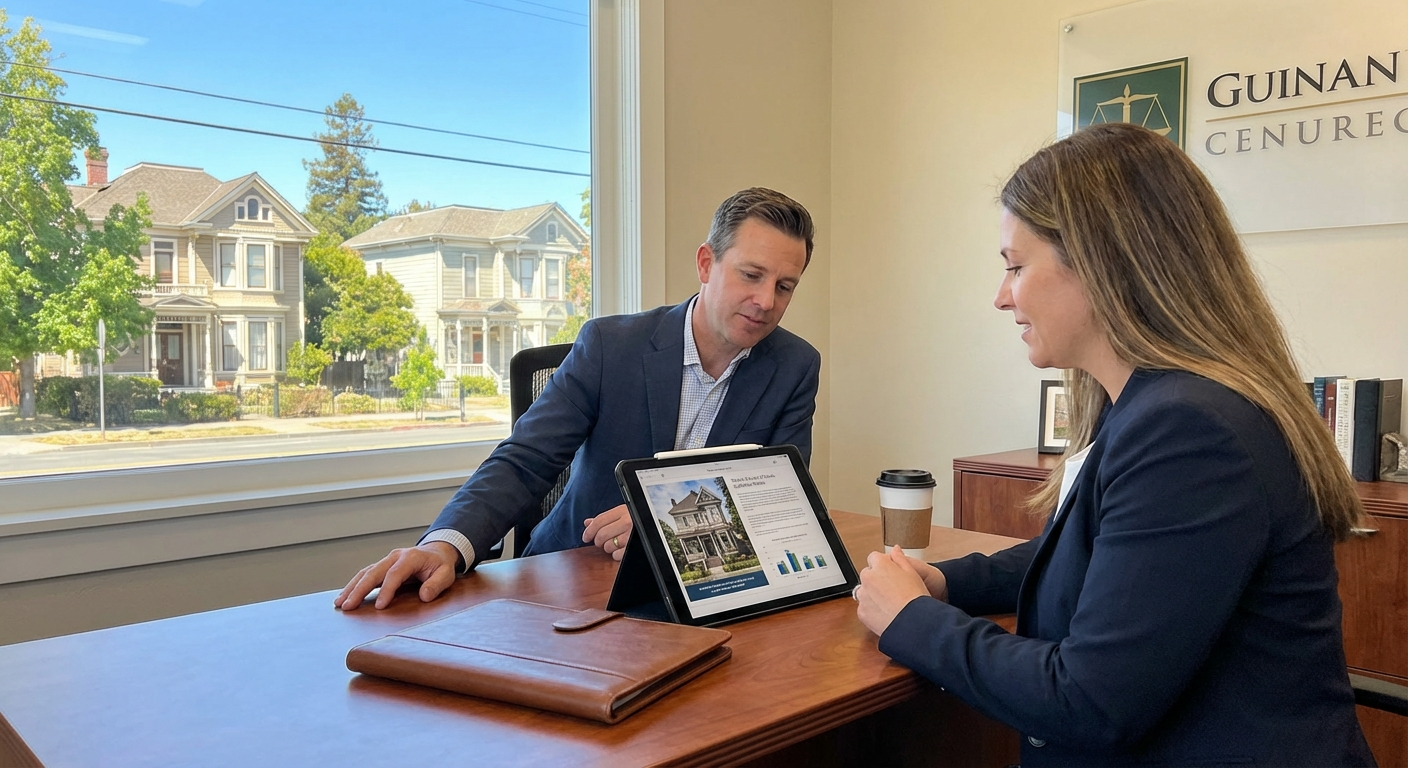
California’s insurance market has been a bit of a roller coaster lately. Honestly, it’s been more like a runaway train for homeowners. Over the last few years, major insurers like State Farm and Farmers have either paused writing new policies or drastically restricted coverage in wildfire-prone areas. Even AAA has pulled back in some places. Why? Because the risks here are real, and they’re expensive.
Wildfires, mudslides, and even just the sheer cost of rebuilding in California after a disaster have pushed premiums sky-high. Some homeowners have seen their rates jump 40% or more between 2022 and 2024. For a historic home, which already carries higher repair costs, this situation gets even tougher. Insurers look at a charming 1920s bungalow nestled in the hills of Ventura County and see not just its beauty, but also its proximity to brush and its older, more flammable construction materials. It’s a double whammy.
You might find yourself pushed into the California FAIR Plan — California’s “insurer of last resort.” It’s better than nothing, absolutely. But it provides only basic fire coverage and typically doesn’t offer the robust protection a historic home truly needs. It won’t cover things like water damage, theft, or liability, meaning you’d need a separate “Difference in Conditions” policy to fill those gaps. It’s a patchwork solution, and it’s rarely ideal.
What You Need in Your Historic Home Policy
When you’re shopping for coverage on a historic property, don’t just ask for “home insurance.” You need specific protections.
First, think about **Guaranteed Replacement Cost** coverage. This means if your home is destroyed, the insurer pays to rebuild it, even if the cost goes above your policy limit. For a historic home, where rebuilding with original methods and materials is so costly, this is gold. Without it, you could be underinsured by hundreds of thousands of dollars.
Here’s where it gets interesting. You absolutely need **Ordinance or Law Coverage**. This is crucial. It covers the extra costs required to bring your home up to current building codes during a repair or rebuild, especially those relating to historic preservation. Without this, you might rebuild your home only to find you’re legally required to spend a fortune more on specific materials or techniques that your basic policy won’t pay for.
Then there’s earthquake coverage. In California, standard home insurance policies *don’t* cover earthquake damage. You have to buy it separately. For an older home, especially one not retrofitted, earthquake damage can be catastrophic. Think about the Loma Prieta quake in 1989 or the Northridge quake in ’94 — older structures often fared far worse. Many owners choose to add a separate earthquake policy, usually through the California Earthquake Authority (CEA) or a private insurer. Don’t skip thinking about it.
Finally, make sure your policy details specific coverage for unique architectural features. Does it account for stained glass, ornate woodwork, or custom tile? Get it in writing, or at least confirmed by your agent, that these elements are adequately valued.
Finding Your Way: An Independent Agent Makes All the Difference
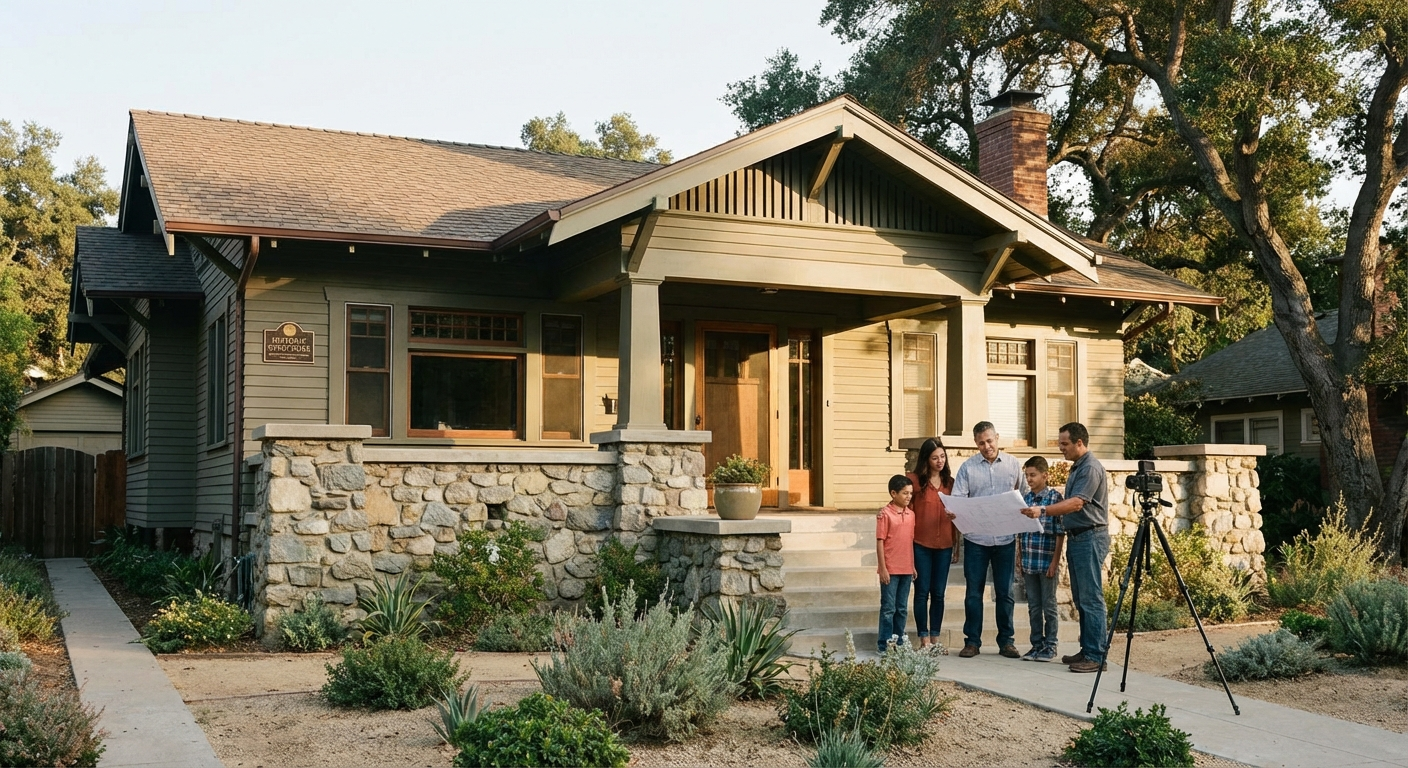
It’s easy to feel overwhelmed, like the Millers did. They were staring at complex policies and confusing jargon. That’s where someone like Karl Susman comes in. As an independent insurance agent with Los Angeles Home Insurance Quotes, Karl isn’t tied to just one company. He works with dozens of different insurers, including those special “non-admitted” carriers who specialize in unique or higher-risk properties – exactly the kind of homes historic properties often are.
These non-admitted carriers operate outside the standard California Department of Insurance regulations for rates, but they’re often the only option for homes that traditional insurers won’t touch. They can offer more flexible coverage for properties with unique characteristics, like a 1910 Victorian in San Francisco or a Spanish Colonial Revival in Rancho Santa Fe. Karl knows these markets. He knows which companies are currently writing policies for historic homes and which ones offer the specific coverages you need, like that all-important Ordinance or Law coverage.
He’s seen it all, from vintage Hollywood bungalows to century-old farmhouses in the Central Valley. Karl Susman, CA License #OB75129, understands the nuances of these properties and the specific challenges their owners face. Instead of you spending hours on the phone, trying to explain why your lath and plaster walls are different from drywall, he speaks the language of insurers.
Ready to get a clearer picture of your options? Start with a quote today. Get a California home insurance quote now.
Taking Action: Protecting Your Piece of History
Don’t just buy a policy and forget it. Be proactive.
First, document everything. Take detailed photos of your home’s unique features, inside and out. Get a professional appraisal that specifically notes the historic value and replacement costs of specialized materials. This documentation is your best friend if you ever have to file a claim.
Next, focus on maintenance. Old homes require constant care. Updating electrical systems, replacing old plumbing, and maintaining the roof can not only prevent claims but might also qualify you for discounts. If you’re in a wildfire area, maintaining defensible space around your home — clearing brush, trimming trees — is non-negotiable. Many insurers won’t even consider your property without it.
Consider retrofitting for earthquakes. Bolting your home to its foundation and reinforcing cripple walls can significantly reduce damage. Some cities offer grants or programs to help with these costs. It’s an investment, yes, but it could save your home.
Finally, review your policy annually. The insurance market changes fast in California. New risks emerge, and old ones evolve. What was adequate coverage last year might not be today. A good agent will guide you through this process.
The Millers, after talking with Karl Susman, felt a lot better. They understood the complexities, but more importantly, they saw a path forward. Their dream home now felt secure, not just beautiful. Protecting California’s historic homes isn’t just about protecting property; it’s about preserving our collective past. It’s about knowing that if disaster strikes, you have the means to rebuild that legacy, true to its original spirit.
Ready to explore your options for insuring your historic California home? Don’t wait. Click here to get a personalized quote.
Frequently Asked Questions About Historic Home Insurance in California
Q: Is it true that some insurers won’t cover historic homes at all in California?
A: Yes, it’s increasingly common. Many standard insurers prefer newer construction due to lower perceived risks and more predictable repair costs. Historic homes often require specialized underwriting.
Q: What’s the biggest difference between insuring a historic home and a new build?
A: The main difference boils down to replacement costs. Historic homes use unique materials and construction methods that are far more expensive to repair or replace than standard modern components. Also, local historic preservation ordinances can add significant costs to repairs.
Q: My historic home is in a wildfire zone. What are my options?
A: It can be challenging. Your options might include the California FAIR Plan (often requiring a separate “Difference in Conditions” policy for full coverage), or specialized policies from non-admitted carriers found through an independent agent like Karl Susman. Defensible space is absolutely essential here.
Q: Should I get an appraisal specifically for insurance purposes on my historic home?
A: Absolutely. A standard real estate appraisal focuses on market value. An appraisal for insurance should detail construction methods, unique features, and the estimated cost to rebuild your home with like-kind and quality materials, accounting for historic preservation requirements. This helps ensure you’re adequately covered.
Q: What is a “non-admitted” carrier, and are they safe?
A: Non-admitted carriers (also called surplus lines insurers) are insurance companies that aren’t licensed by the California Department of Insurance for their rates, but they are still regulated for solvency. They often specialize in unique or higher-risk properties that standard insurers avoid. While they offer flexibility, their policies usually don’t have the same state-backed guarantee funds as admitted carriers. Working with a reputable independent agent like Karl Susman helps ensure you’re dealing with financially sound non-admitted insurers.
This article is for informational purposes only and does not constitute financial advice.