
Building Your California Dream Home: The Insurance Reality Check
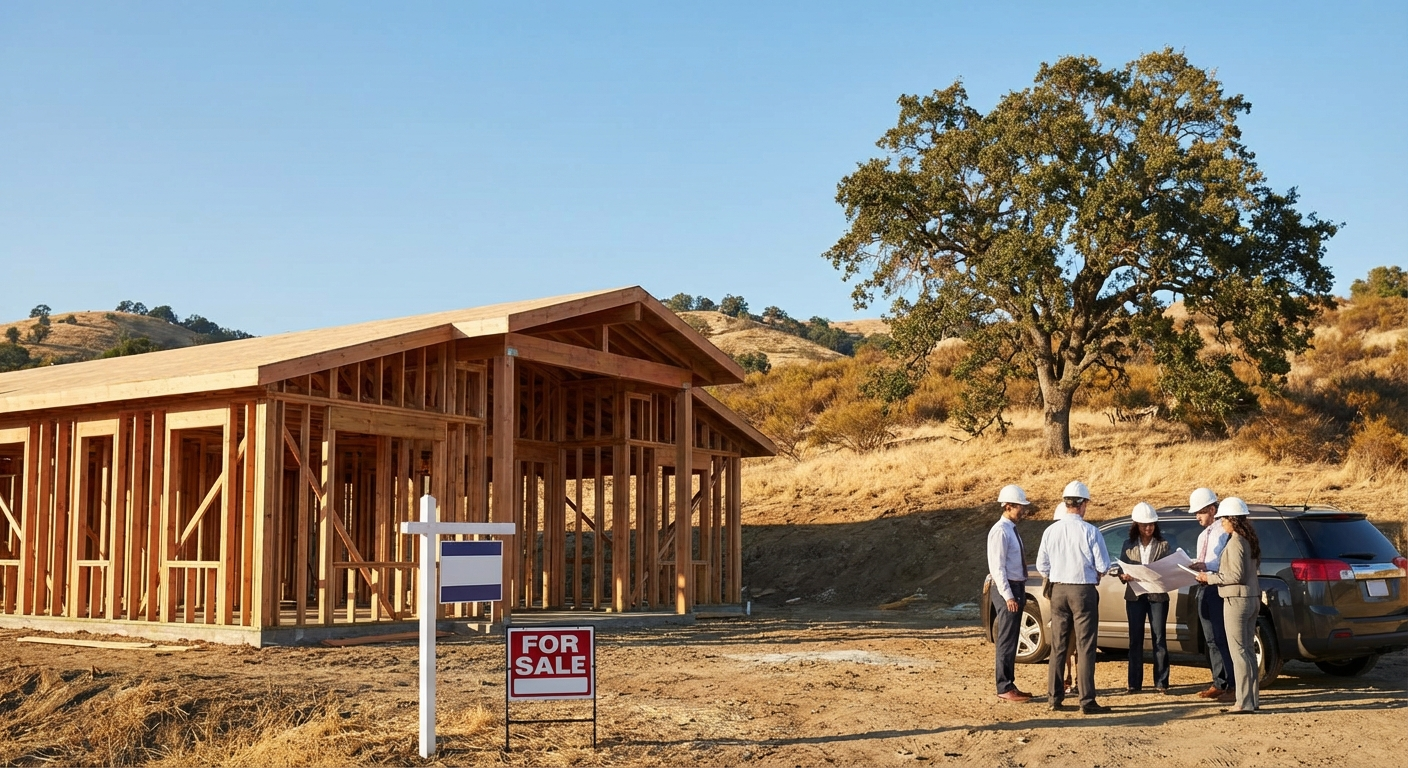
The Millers had a vision. After years of saving, they finally bought that perfect piece of land in the hills above Camarillo, a spot with sprawling views of Ventura County. Their new home wouldn’t just be *a* house; it would be *their* house, designed from the ground up. Think modern architecture, drought-tolerant landscaping, and all the latest fire-resistant materials. They pictured family dinners on the patio, sunsets over the Pacific, a place built to last generations.
Then came the permits. And the architect. And the builder. Each step felt like a victory. But somewhere between picking out kitchen tiles and finalizing the roofline, a question popped up, quiet at first, then louder: “What about insurance?”
They figured, hey, it’s *new* construction. Brand new wiring, brand new plumbing, state-of-the-art everything. Shouldn’t that make it *easy* to insure? Maybe even cheaper? The short answer is yes. The real answer, especially here in California, is far more complicated than a simple “yes.”
Here’s where it gets interesting. Building a new home means you’re not just looking for a simple homeowner’s policy. You’re dealing with a whole different beast before the first nail is even hammered: Course of Construction insurance.
Before the Walls Go Up: Course of Construction (COC) Insurance
Imagine a construction site. Lumber stacks, tools, machinery, maybe even some shiny new appliances waiting to be installed. All of that stuff has value. A lot of value. And it’s all exposed to risk – theft, fire, vandalism, even a rogue forklift.
That’s where Course of Construction (COC) insurance steps in. It’s often called “builder’s risk” insurance, and it’s absolutely essential for anyone building a new home from scratch. This type of policy protects the materials, fixtures, and equipment used in the construction of your house. It covers the structure itself while it’s being built, right up until it’s finished and ready for you to move in.
But wait — who needs it? Often, your general contractor will have their own builder’s risk policy. That’s good. That covers *their* interest, *their* materials, and *their* liability. But you, as the homeowner and future occupant, also have a significant financial interest in that project. You’re investing hundreds of thousands, sometimes millions, in that structure. You need your own protection.
What if there’s a major storm that damages the partially built frame? Or a fire breaks out overnight? Your contractor’s policy might cover some of it, but it might not cover the full replacement cost for *your* investment. Think about what you’ve already paid the bank or out of pocket. A good COC policy, set up for the homeowner, provides that peace of mind. It also typically includes liability coverage for accidents that happen on the construction site – someone trips, someone gets hurt, you could be on the hook. Building a house is a long process. Things can go wrong.

The Big Hand-Off: From COC to Homeowners
The Millers learned this quickly. Their builder, Mark, explained the COC policy he had, but also urged them to talk to an agent about their own coverage. “You don’t want a gap,” he’d said, “not even for a day.”
He was right. The transition from a Course of Construction policy to a standard homeowner’s insurance policy (usually an HO3 or HO5 in California) is a critical moment. Your COC policy expires when the home is substantially complete or when you move in – whichever comes first. You need to have your regular homeowner’s policy ready to go the moment that happens.
Sometimes construction takes longer than expected. Permitting delays, material shortages, a sudden rainstorm in what’s supposed to be our dry season. You might need to extend your COC policy. That’s a conversation to have with your agent well before the original expiration date. You certainly don’t want to find yourself without any coverage for a brand-new, just-finished house.
New Home, New Rules: What Homeowners Insurance Looks Like for New Construction in California
Okay, the house is built. The keys are in your hand. Now you need a standard homeowner’s policy. For new construction, there are definitely some upsides.
**The Good News:**
* **Modern Building Codes:** New homes built today meet the latest seismic and fire codes. They often have fire-resistant roofing, stucco exteriors, and dual-pane windows. This can make them more attractive to insurers.
* **Updated Systems:** Brand new plumbing, electrical, and HVAC systems mean less risk of old pipe bursts, faulty wiring fires, or furnace malfunctions. Insurers like that.
* **Smart Home Tech:** Many new homes include smart fire alarms, security systems, and leak detectors. These can sometimes earn you discounts.
You’d think, with all those advantages, finding insurance for a new California home would be a breeze. But here’s the thing. This is California.
**The California Catch:**
Even with all the benefits of new construction, location remains the single biggest factor in determining if and how much you’ll pay for homeowners insurance.
* **Wildfire Risk is King:** If your shiny new home is in a high-brush area, say, the foothills of the Santa Monica Mountains, parts of the Inland Empire, or nestled in a canyon near the Valley, wildfire risk becomes a massive hurdle. Insurers are increasingly wary of these areas. They don’t care if your home is brand new or 50 years old if it’s in a wildfire zone. They’re looking at the surrounding terrain, the vegetation, and the access roads for fire departments.
* **The Insurance Exodus:** We’ve seen major carriers like State Farm, Allstate, and Farmers pull back from offering new policies or renewing existing ones in many parts of California. This isn’t just for old homes; new construction is affected too. This means fewer options, and when options shrink, prices tend to go up. Many homeowners saw premiums jump 40% between 2022 and 2024.
* **Defensible Space:** Even for a new home, you’ll need to maintain defensible space around your property. Clear brush, trim trees, make sure your landscaping choices are fire-resistant. This isn’t just a good idea; it’s often a requirement for coverage.
* **The FAIR Plan:** If you can’t find coverage with a standard insurer, California’s FAIR Plan is a last-resort option. It provides basic fire coverage, but it’s not a full homeowner’s policy. It won’t cover liability, theft, or other perils. You’d need to buy a separate “Difference in Conditions” (DIC) policy to fill those gaps, making it a two-policy, often more expensive, and less comprehensive solution. For a brand new, custom-built home, ending up on the FAIR Plan can feel like a real letdown.
Which brings up something most people miss. Even if your new home is built to the latest earthquake standards, earthquake damage is *never* covered under a standard homeowner’s policy. You’ll need a separate earthquake policy if you want that protection. Given we live in an active seismic zone – hello, San Andreas! – it’s a conversation worth having.
Finding Your Way Through the Maze
So, what’s a new California homeowner to do? The Millers felt a bit overwhelmed trying to figure out which companies were still writing policies in Ventura County, what the specific wildfire mitigation rules were, and how to balance cost with adequate protection.
This is exactly why you don’t go it alone. Working with an experienced, independent insurance agent who specializes in California property is your best bet. Someone who knows the market, understands the rules (like Prop 103 and recent changes to the FAIR Plan), and can shop multiple carriers for you.
Karl Susman of Los Angeles Home Insurance Quotes (CA License #OB75129) has been helping Californians find the right coverage for years. He understands the unique challenges of our state’s insurance climate, especially for new construction. An agent like Karl can explain the nuances of different policies, help you understand your wildfire risk score, and find you the best available options. Don’t leave your dream home unprotected.
Ready to talk to an expert about insuring your new California home? Get a quote and see what options are available for you.
Frequently Asked Questions About New Construction Home Insurance
Q: Do I need insurance *before* my new home is finished?
A: Absolutely. You need Course of Construction (COC) insurance, also known as builder’s risk insurance, from the moment groundbreaking begins. This protects your materials, the partially built structure, and offers liability coverage during the construction phase.
Q: Is it true new construction is cheaper to insure?
A: Not always. While new construction benefits from modern building codes, updated systems, and fire-resistant materials, your home’s location in California is often the biggest factor. If it’s in a high-wildfire zone or a remote area, premiums can still be high, or finding coverage might be difficult, even for a brand-new house.
Q: What if I can’t find a standard insurance company for my new home?
A: If traditional insurers won’t offer a policy, you might have to turn to the California FAIR Plan. However, this is a last-resort option that only provides basic fire coverage. You’d need to buy a separate “Difference in Conditions” (DIC) policy to cover other common perils like theft and liability, making it a less ideal and often more expensive solution.
Q: Does my builder’s insurance cover my new home during construction?
A: Your builder’s insurance typically covers their materials and liability. However, as the homeowner, you have a significant financial interest in the project. It’s wise to have your own Course of Construction policy to protect your investment and cover your specific liability exposure throughout the build. There shouldn’t be any gaps in coverage.
Q: Should I get earthquake insurance for my newly built home?
A: Yes, you should absolutely consider it. Standard homeowner’s policies in California never cover earthquake damage, regardless of how new your home is. Given California’s seismic activity, a separate earthquake policy is a smart choice for any homeowner, especially for a significant new investment.
Building a new home is an incredible journey, and protecting that investment is just as important as choosing the right countertop. Don’t let the complexities of California insurance overshadow the excitement of your new beginning. Get peace of mind with the right coverage.
For personalized guidance and to explore your options for new construction home insurance in California, reach out to Karl Susman at Los Angeles Home Insurance Quotes, CA License #OB75129, or visit https://losangeleshomeinsurancequotes.com/get-a-quote/ today.
***
This article is for informational purposes only and does not constitute financial advice.
Ready for Your Free Quote?
No obligation. Takes 2 minutes. Speak with Karl Susman and the team at Los Angeles Home Insurance Quotes.